
Treatment Interventions
Sandtray Therapy in Ottawa
An expressive, hands-on therapeutic approach that uses miniature figures and sand to help clients of all ages explore emotions, process experiences, and access deeper layers of healing — without relying on words alone.
Understanding Sandtray Therapy
What Is Sandtray Therapy?
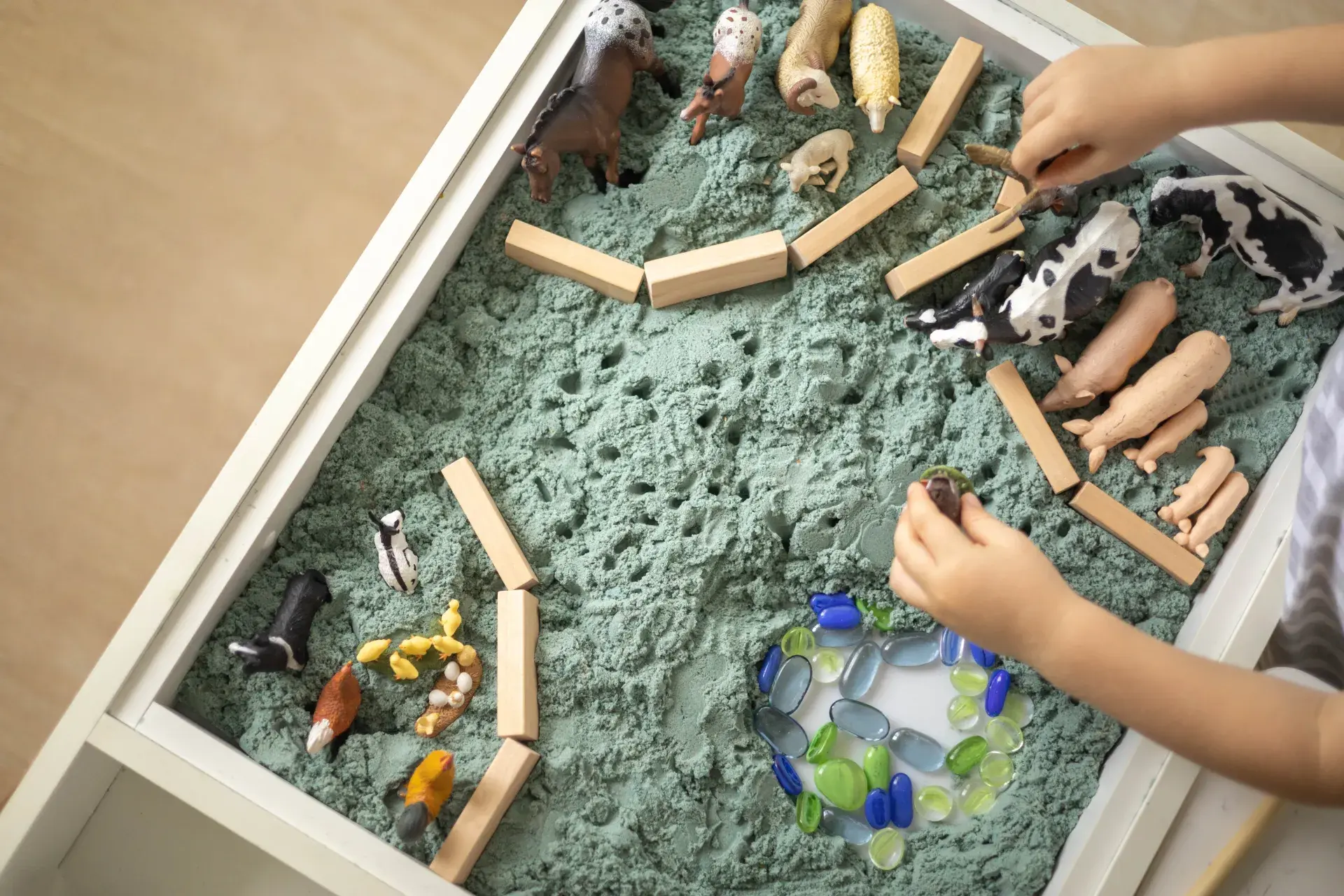
Sandtray therapy is a hands-on, expressive form of therapy in which clients use a tray of sand and a curated collection of miniature figures to build scenes that reflect their thoughts, feelings, and lived experiences. Rooted in Jungian psychology, it offers a unique bridge between the conscious and unconscious mind.
At our Ottawa clinics, trained therapists use this approach with clients of all ages — from young children who naturally gravitate toward symbolic play, to adults seeking a deeper, non-verbal pathway into their emotional landscape.
Whether you’re navigating anxiety, processing trauma, working through grief, or exploring patterns in your relationships, sandtray therapy provides a safe and powerful space to make meaning of your experience in a way that feels natural and unhurried.

Who Is Sandtray Therapy For?
Who We Help
Sandtray therapy can be used across a wide range of ages and concerns. It’s especially valuable when traditional talk therapy feels limiting or when experiences are difficult to put into words.
Children (Ages 3–12)
Children who struggle to put their feelings into words can use miniatures and sand to create scenes that reflect their inner world — making the invisible visible.
Adolescents
Teens who resist traditional talk therapy often engage more readily through the tactile, creative nature of sandtray work, exploring identity, relationships, and emotions at their own pace.
Adults
Adults processing trauma, grief, anxiety, or complex life transitions can access deeper layers of experience through symbolic expression that bypasses the limitations of language.
Individuals With Trauma Histories
Sandtray therapy offers a gentle, non-verbal pathway for processing traumatic experiences without requiring clients to verbally recount distressing events before they’re ready.
What Sandtray Therapy Involves
The Process
Each session unfolds at your own pace, guided by your therapist and shaped by your unique experience.
Initial Consultation
We begin by understanding your story, your concerns, and what you hope therapy will support — whether for yourself or your child.
Introduction to the Sandtray
Your therapist introduces the sandtray and collection of miniatures, creating a safe and inviting space for exploration without pressure or expectation.
Creating the World
You select miniatures and arrange them in the sand to create a scene. There are no rules — the process is intuitive and guided by what feels right in the moment.
Witnessing & Reflection
Your therapist observes the scene with curiosity and care, gently inviting reflection on the themes, relationships, and emotions that emerge.
Therapeutic Processing
Over multiple sessions, patterns and shifts in the sandtray scenes reveal growth, unresolved feelings, and new perspectives — guiding the therapeutic work forward.
Integration & Progress
Insights from the sandtray are woven into the broader therapeutic process, supporting lasting change in how you relate to yourself, others, and your experiences.
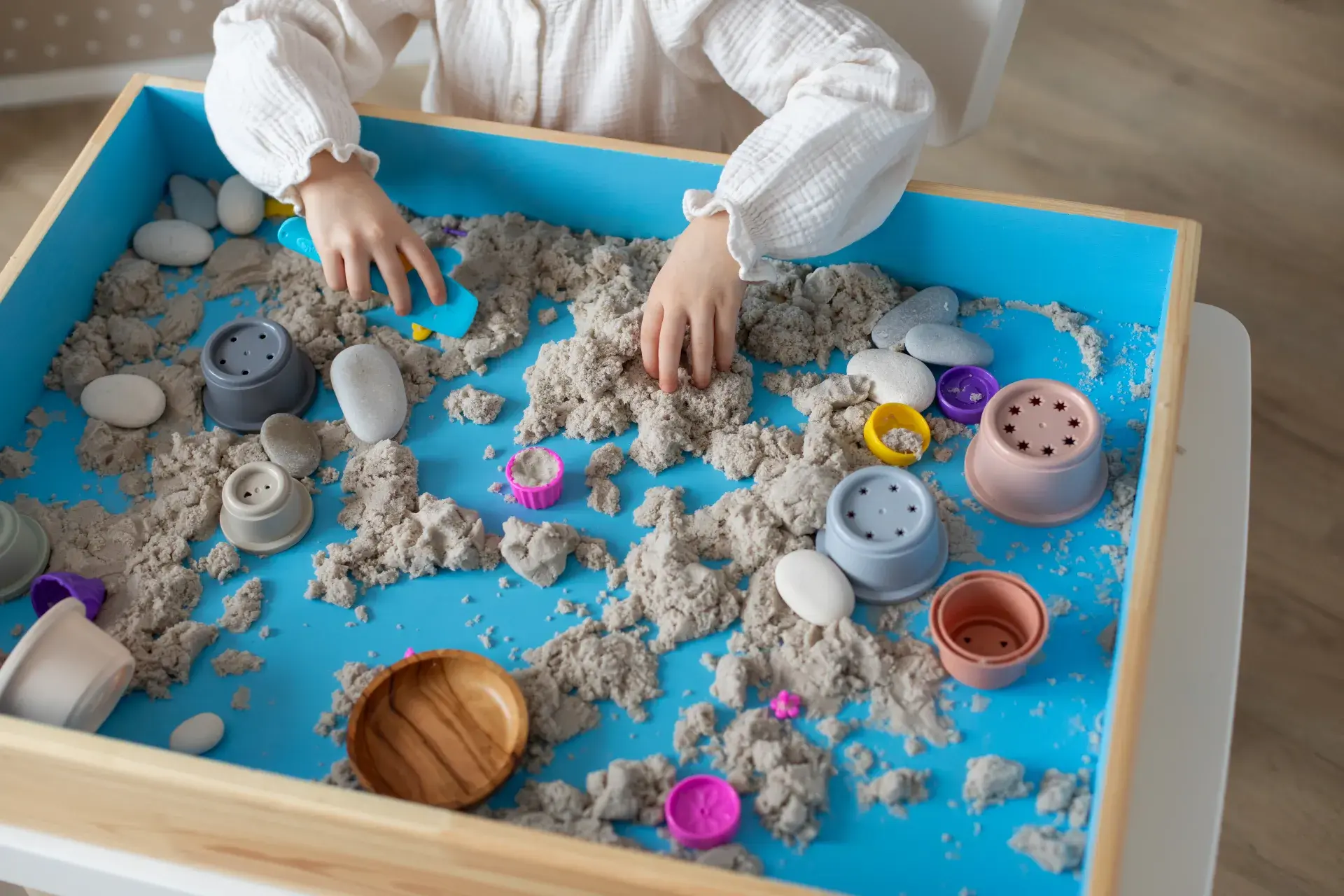
“Often the hands will solve a mystery that the intellect has struggled with in vain.”
— Carl Jung
The Sandtray Experience
What to Expect
A closer look at what happens in session and how the sandtray becomes a space for discovery, expression, and transformation.
The Therapeutic Space
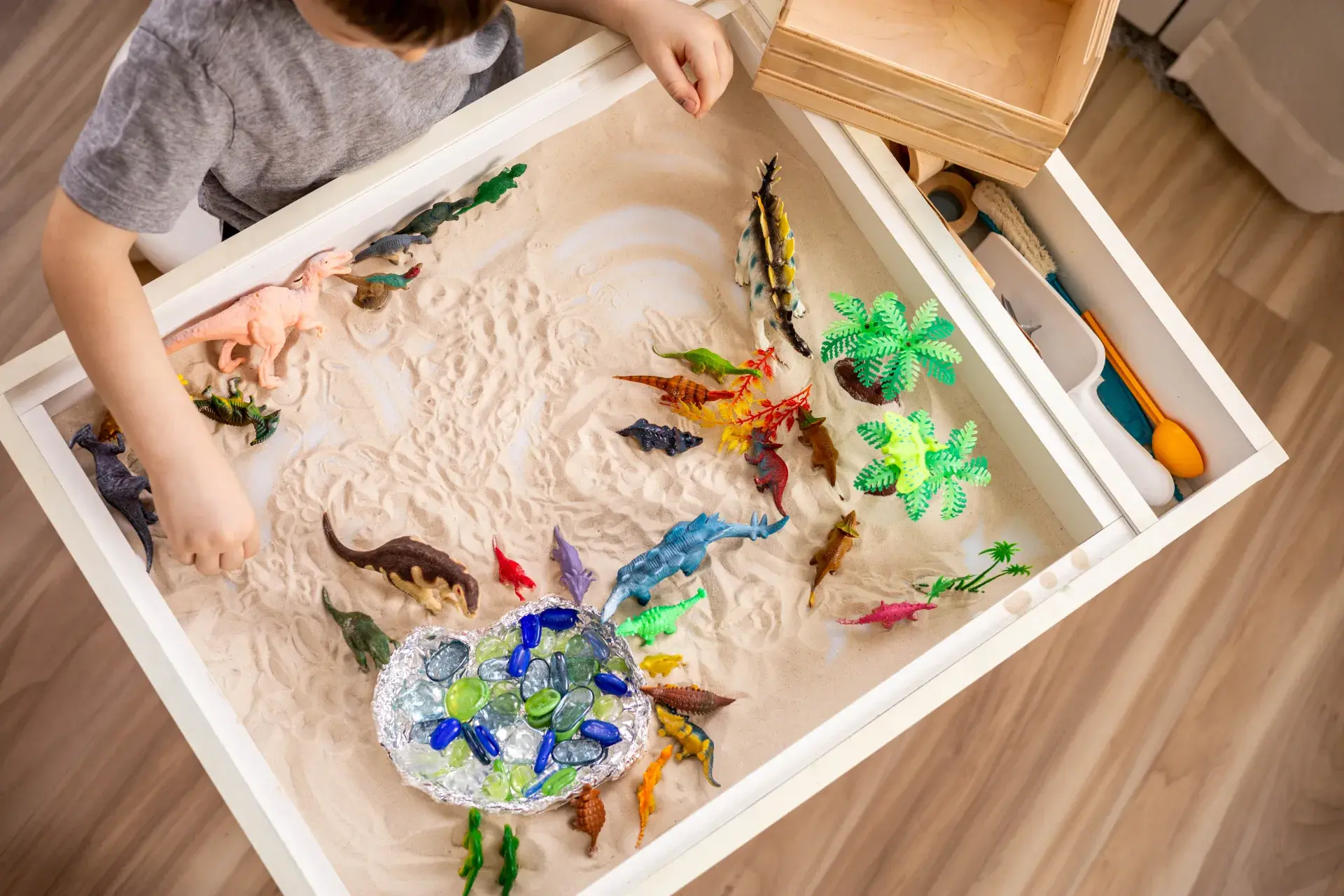
Our sandtray rooms are thoughtfully designed with hundreds of miniatures representing people, animals, buildings, nature, and symbolic objects. Clients choose freely from this collection, creating scenes that feel meaningful to them.
Hundreds of carefully curated miniature figures and objects
A calm, private space designed for focused exploration
No right or wrong way to create — the process is intuitive
Therapist provides gentle guidance without directing the scene
Growth & Transformation
Emerging themes reveal unconscious patterns and unresolved emotions
Shifts in scenes reflect genuine psychological and emotional growth
Insights are integrated into the broader therapeutic process
Progress is tracked collaboratively with your therapist

Sandtray Therapy Cost and Coverage
Fees & Insurance
We keep our pricing straightforward, so you can plan with confidence before you begin.
Cost
Sandtray therapy sessions are $190 to $250 per hour, depending on the clinician you see. Sessions with a psychologist are $250 per hour, and sessions with a social worker or psychotherapist are $190 per hour.
Insurance
Most extended health benefit plans cover psychological services, including therapy. We do not direct bill, so you pay for each session and submit your receipt to your insurance provider for reimbursement. We recommend contacting your insurer before you begin, to confirm your coverage and your annual limit.
Our services are not covered by OHIP.
Wait Times
Wait times vary, so we recommend contacting the office for the current wait.
How Sandtray Therapy Helps
Benefits
Sandtray therapy supports healing and growth through a unique combination of creative expression, symbolic processing, and therapeutic relationship.
Emotional Expression
Clients access and express feelings that may be too complex, overwhelming, or deeply held to articulate through words alone.
Trauma Processing
The non-verbal, paced nature of sandtray work allows for safe exploration of traumatic material without requiring verbal re-telling before clients are ready.
Self-Awareness
Creating and reflecting on sandtray scenes helps clients recognize unconscious patterns, gain new perspectives, and develop deeper self-understanding.
Integration & Healing
Insights from the sandtray are woven into everyday life, supporting lasting shifts in how clients relate to themselves, others, and their experiences.
How This Fits With Other Services
Related Services
Sandtray therapy often complements other therapeutic and assessment services, creating a more comprehensive path to healing.

Play Therapy
A complementary child-centred approach that uses play as the primary medium for emotional expression and therapeutic growth.
Learn More
Psychotherapy
For clients who benefit from integrating sandtray work with structured talk-based therapeutic modalities.
Learn More
Psychodiagnostic Assessment
When deeper diagnostic clarity is needed to guide treatment planning alongside expressive therapeutic approaches.
Learn MoreFrequently Asked Questions About Sandtray Therapy
Common Questions
Sandtray therapy is an expressive, therapeutic approach in which clients use a tray of sand and a collection of miniature figures to create scenes that represent their inner experiences. It provides a powerful way to explore emotions, relationships, and memories — especially when words alone feel insufficient. It’s grounded in Jungian psychology and has evolved into a widely used modality across clinical settings.
Clients are invited to choose from hundreds of miniatures — people, animals, buildings, natural objects, symbolic figures — and arrange them in a tray of sand. The scene becomes a tangible representation of their internal world. The therapist witnesses the creation with curiosity and care, helping the client explore the themes and emotions that surface. Over time, shifts in the scenes reflect real psychological growth.
Yes. Research supports sandtray therapy as an effective modality for a range of concerns, including trauma, anxiety, grief, and behavioural challenges. It draws on well-established theoretical frameworks including Jungian analytical psychology and attachment theory, and is used in clinical settings worldwide by trained therapists and psychologists.
Not at all. While sandtray therapy is widely used with children, it is equally effective with adolescents and adults. Many adults find that the non-verbal, symbolic nature of sandtray work allows them to access and process experiences that are difficult to articulate through conversation alone — making it especially valuable for trauma recovery and complex emotional processing.
Sandtray therapy is particularly well-suited for anxiety and trauma because it doesn’t require clients to verbally recount distressing experiences. The symbolic, hands-on process allows for gentle, paced exploration of difficult material — reducing the risk of re-traumatization while still facilitating meaningful therapeutic progress.
The duration depends on individual needs and goals. Some clients benefit from a focused series of 8 to 12 sessions, while others engage in longer-term work as part of a broader therapeutic plan. Sessions are typically 50 minutes and held weekly. Your therapist will collaborate with you on pacing and goals throughout.
Sandtray therapy provided by a registered psychologist or psychotherapist is typically covered under extended health insurance plans that include mental health services. Coverage varies by provider, so we recommend confirming with your insurance company. We’re happy to provide receipts and documentation to support your claims.

Ready to Explore Sandtray Therapy?
Whether for yourself or your child, sandtray therapy offers a gentle yet powerful way to access deeper layers of healing. Reach out to learn more or book your first session.
Our therapists bring specialized training in expressive and sandtray-based modalities, working with children, adolescents, and adults across a wide range of concerns.