

Depression Treatment in Ottawa
Depression can affect every part of your life — your energy, your relationships, and your sense of self. With the right support, meaningful change is possible.

What Is Depression?
Understanding Depression
Depression — clinically known as major depressive disorder — is more than feeling sad or going through a difficult period. It is a persistent condition that affects how you think, feel, and function in daily life. Depression can develop at any age and looks different for everyone.
Some people describe it as a heavy weight that makes even small tasks feel overwhelming. Others experience it as emotional numbness or a sense of disconnection from the people and activities they care about. Depression is not a sign of weakness — it is a recognized clinical condition with well-established pathways to recovery.
At Stradwick Clinic, we take a comprehensive approach to understanding each individual’s experience. Because depression often co-occurs with anxiety, ADHD, trauma, and other conditions, a thorough clinical picture is essential for effective support.

Recognizing the Signs
Do you experience any of these?
Depression can manifest in many ways. You may recognize some of these experiences in yourself or someone you care about.
Book a ConsultationPersistent sadness or feeling empty
Loss of interest in activities you once enjoyed
Changes in appetite or weight
Difficulty sleeping or sleeping too much
Fatigue or low energy throughout the day
Difficulty concentrating or making decisions
Feelings of worthlessness or excessive guilt
Withdrawal from friends, family, or social activities
Irritability or restlessness
Physical symptoms such as headaches or body aches
Evidence-Based Approaches to Depression
How We Can Help
Effective treatment for depression is grounded in research and tailored to the individual. Our Ottawa clinics offer several evidence-based approaches that can be used independently or in combination. Our guide to depression treatment in Ottawa explains these options in more detail.
Psychotherapy
Talk therapy provides a safe, structured space to explore the thoughts, emotions, and behavioural patterns that contribute to depression. Approaches such as cognitive-behavioural therapy (CBT), interpersonal therapy, and psychodynamic therapy have strong evidence for treating depressive disorders.
Cognitive-Behavioural Therapy (CBT)
CBT focuses on identifying and restructuring negative thought patterns and developing healthier coping strategies. It is one of the most well-researched treatments for depression and can be adapted for children, adolescents, and adults.


Neurofeedback
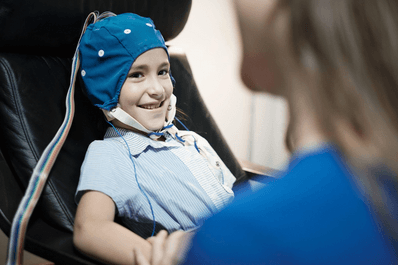
Neurofeedback for depression is a non-invasive approach that trains the brain to regulate its own activity patterns. Research suggests it may support individuals experiencing depression by addressing underlying brainwave dysregulation, particularly when used alongside other therapies. Our article on neurofeedback as an option for treatment-resistant depression describes how some clients explore it when medication alone has not been enough.
Comprehensive Assessment
When depression co-occurs with other conditions — such as ADHD, anxiety, or learning difficulties — a psychodiagnostic assessment can help clarify the full clinical picture and guide treatment planning.

“You don’t have to face this alone. With the right support, meaningful change is within reach.”
Depression Affects People Differently
Who We Help
We provide support for individuals across the lifespan, recognizing that depression presents uniquely at every stage of life.
Adults
Whether you’re navigating workplace stress, relationship difficulties, or a persistent sense of emptiness, our clinicians provide a safe space to explore what you’re experiencing and develop strategies that work for your life.
Adolescents & Teens
Depression in teens can look like irritability, social withdrawal, or declining academic performance. We use age-appropriate therapeutic approaches and work collaboratively with families to support young people through this challenging time.
Children
In younger children, depression may present as clinginess, frequent physical complaints, or changes in behaviour. Our team uses play-based and developmentally sensitive approaches to help children express and process their emotions.
What to Expect
Your First Steps
Taking the first step toward treatment can feel difficult — especially when depression makes everything feel harder. Here’s what the process looks like at our Ottawa clinics.
Initial Consultation
We begin with a conversation to understand your concerns, history, and goals. This helps us determine the most appropriate therapeutic approach for your situation.
Clinical Intake
Your clinician will conduct a thorough clinical interview to understand the nature and patterns of your depression, as well as any co-occurring conditions such as anxiety, ADHD, or trauma.
Personalized Treatment Plan
Together, you and your clinician will develop a plan tailored to your needs — whether that includes psychotherapy, CBT, neurofeedback, or a combination of approaches.
Ongoing Support & Progress
Regular sessions provide continuity and a safe space to build new skills. Your clinician will track your progress and adjust the approach as needed to keep you moving forward.
Services That Can Help
Related Services
Depending on your needs, you may benefit from one or more of these approaches.


Frequently Asked Questions About Depression
Common Questions
Clinical depression is distinguished from normal sadness by its duration, intensity, and impact on daily functioning. If you’ve been experiencing persistent low mood, loss of interest, or other symptoms for two weeks or more, and these are affecting your ability to work, maintain relationships, or engage in daily life, it may be helpful to speak with a mental health professional for a proper evaluation.
Yes. Depression is one of the most treatable mental health conditions. Research consistently shows that psychotherapy—particularly cognitive-behavioural therapy—is effective for most individuals. Many people experience significant improvement with appropriate support, and early intervention often leads to better outcomes.
For many individuals, therapy alone is an effective treatment for depression. Cognitive-behavioural therapy, interpersonal therapy, and other evidence-based approaches can produce meaningful and lasting change. The decision about whether medication may also be helpful is made in consultation with a physician or psychiatrist and depends on the severity and nature of symptoms.
The duration varies depending on the individual and the severity of symptoms. Some people notice improvements within several weeks, while others benefit from longer-term support. Your therapist will work with you to develop a treatment plan that reflects your needs and goals, with regular check-ins to assess progress.
Emerging research suggests neurofeedback may be a helpful adjunct for some individuals experiencing depression, particularly when standard approaches have not been fully effective. At our clinic, neurofeedback is offered as part of a comprehensive approach and is tailored to each individual’s neurological profile through qEEG brain mapping.
Yes. Depression can affect individuals at any age, and we work with children, adolescents, and adults. Our clinicians use developmentally appropriate approaches, including play therapy and adapted CBT, and collaborate closely with parents and caregivers throughout the process.

Ready to Take the Next Step?
You don’t need to have everything figured out before reaching out. We’re here to listen, answer your questions, and help you find the right starting point.
Contact us to learn more about our approach to depression treatment in Ottawa.