
Treatment Interventions
Play Therapy in Ottawa
A developmentally appropriate, evidence-based approach to therapy that uses play as the primary medium for helping children express emotions, process experiences, and develop healthier patterns of thinking and behaviour.

Understanding Play Therapy
What Is Play Therapy?
Play therapy is a developmentally appropriate, evidence-based form of therapy that recognizes play as the primary way children communicate, learn, and make sense of their world. Rather than relying on words alone, it gives children a safe space to express what they may not yet have the language to say.
At our Ottawa clinics, trained therapists use carefully selected toys, art materials, games, and creative activities to help children explore difficult emotions, work through challenging experiences, and develop healthier patterns of thinking and behaviour.
Whether your child is struggling with anxiety, navigating a family transition, processing grief, or simply having a hard time that’s difficult to put into words — play therapy meets them where they are and supports meaningful change from the inside out.

Who Is Play Therapy For?
Who We Help
Play therapy is suited to children and young people across a range of ages and concerns. It may be especially helpful when traditional talk-based approaches feel inaccessible or overwhelming.
Young Children (Ages 3–8)
Children who may not yet have the language to express complex emotions benefit from play as a natural form of communication and self-expression.
School-Age Children (Ages 8–12)
Children navigating social challenges, family transitions, anxiety, or behavioural concerns find a safe space to process their experiences through guided play.
Adolescents (Ages 12–16)
Teens who respond better to creative and experiential approaches than traditional talk therapy can engage through expressive techniques adapted for their developmental stage.
Children With Neurodevelopmental Differences
Children with ADHD, autism, or learning differences often thrive in play-based settings that honour their unique ways of processing and relating to the world.
What Play Therapy Involves
The Process
Our approach follows a structured yet flexible path, guided by your child’s unique needs and pace of healing.
Parent Consultation
We begin with a thorough intake conversation with parents or caregivers to understand your child’s history, current concerns, and what you hope therapy will support.
Therapeutic Relationship Building
Your child’s first sessions focus on building trust and safety with their therapist — the foundation for all meaningful therapeutic work.
Assessment Through Play
Through observation of your child’s natural play patterns, themes, and interactions, the therapist gains insight into their emotional world and underlying needs.
Guided Therapeutic Sessions
Using evidence-based techniques, the therapist facilitates play experiences that help your child process emotions, develop coping skills, and build resilience.
Parent Updates & Collaboration
Regular check-ins with parents ensure alignment between therapy goals and home life, offering strategies to support your child’s progress outside of sessions.
Progress Review & Next Steps
Together, we review your child’s growth and determine whether continued sessions, a shift in approach, or a transition to other supports would be most beneficial.

“Play is your child’s most natural form of expression.”
Session Format & Therapeutic Approach
What to Expect
Each session is carefully designed to create a safe, predictable environment where your child can explore at their own pace.

The Therapeutic Play Space
Our therapy rooms are thoughtfully set up with materials chosen to invite expression and exploration. Every session provides consistency and safety — the foundation your child needs to do their best work.
Age-appropriate toys, art supplies, and creative materials
A warm, private space designed specifically for children
Consistent session structure to build trust and predictability
Therapist-guided activities tailored to your child’s needs
Growth & Progress
Observable shifts in emotional expression and regulation
Improved social skills and peer relationships
Greater confidence and sense of self
Regular parent updates with practical strategies for home

Play Therapy Cost and Coverage
Fees & Insurance
We keep our pricing straightforward, so you can plan with confidence before you begin.
Cost
Play therapy sessions are $190 to $250 per hour, depending on the clinician your child sees. Sessions with a psychologist are $250 per hour, and sessions with a social worker or psychotherapist are $190 per hour.
Insurance
Most extended health benefit plans cover psychological services, including therapy. We do not direct bill, so you pay for each session and submit your receipt to your insurance provider for reimbursement. We recommend contacting your insurer before you begin, to confirm your coverage and your annual limit.
Our services are not covered by OHIP.
Wait Times
Wait times vary, so we recommend contacting the office for the current wait.
How Play Therapy Helps
Benefits
Play therapy supports children’s emotional, social, and behavioural development in ways that are natural and lasting.
Emotional Regulation
Children learn to identify, express, and manage difficult emotions like anger, sadness, and fear in healthy ways.
Resilience & Coping
Through play, children build internal resources and coping strategies that help them navigate challenges both now and in the future.
Social Skills
Play therapy helps children develop empathy, communication skills, and the ability to build and maintain positive relationships.
Behavioural Improvement
As children process underlying emotions, challenging behaviours often decrease — replaced by healthier ways of responding to stress and frustration.
How This Fits With Other Services
Related Services
Play therapy often works alongside other clinical services to provide comprehensive, whole-child support.
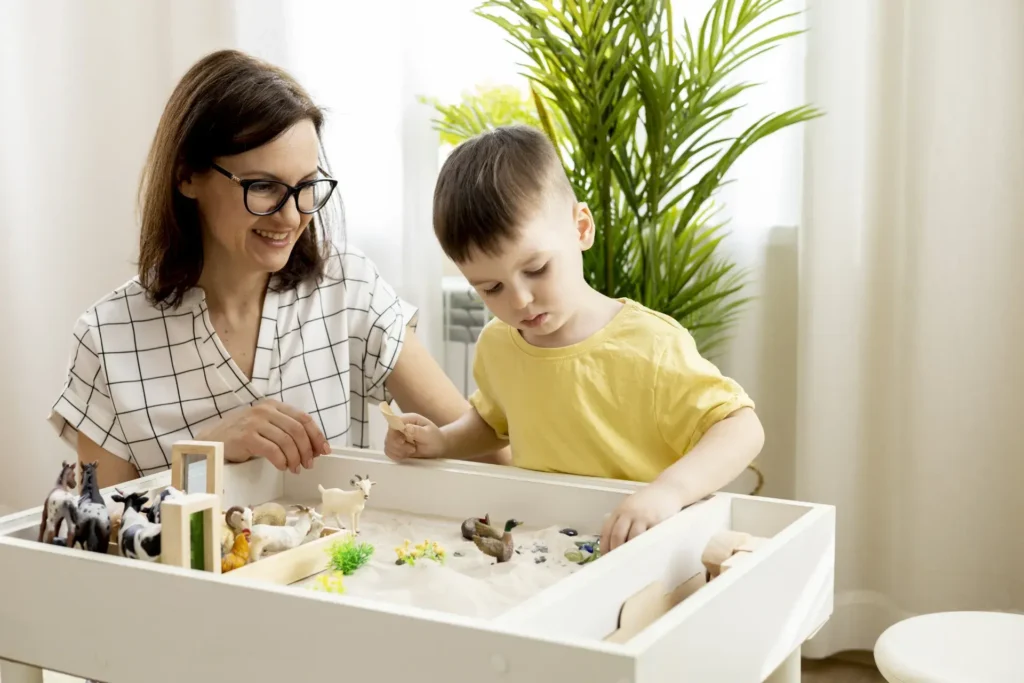
Sandtray Therapy
A complementary expressive approach using miniatures and sand to explore emotions and narratives in a tactile, child-friendly format.
Learn More
Psychotherapy
For older children and teens ready to engage in more structured therapeutic conversations alongside or after play-based work.
Learn More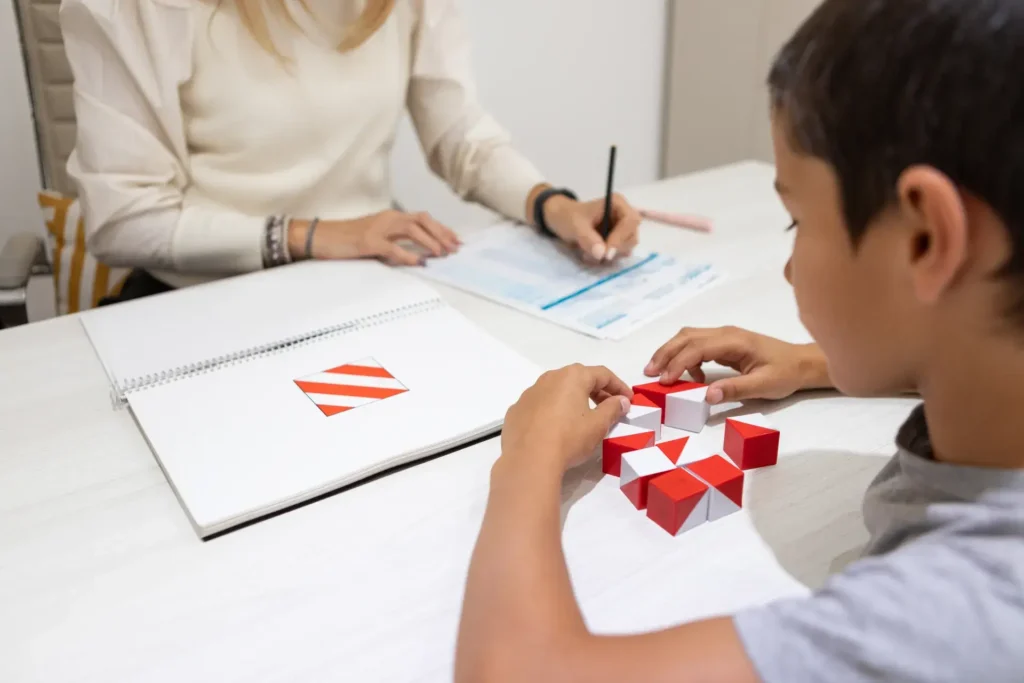
Psychoeducational Assessment
When learning or attention concerns are part of the picture, a formal assessment can clarify needs and guide both therapy and school-based supports.
Learn MoreFrequently Asked Questions About Play Therapy
Common Questions
Play therapy is an evidence-based therapeutic approach that uses play — the natural language of children — to help them express feelings, process experiences, and develop healthier ways of coping. A trained therapist creates a safe environment with carefully selected toys and materials, observing and guiding the child’s play to support emotional healing and growth.
Play therapy is most commonly used with children ages 3 to 12, though adapted techniques can be effective with adolescents up to age 16. The approach is tailored to each child’s developmental stage, using age-appropriate materials and methods to meet them where they are.
Yes. Play therapy has a strong research base spanning decades, with studies demonstrating its effectiveness for a wide range of childhood concerns including anxiety, trauma, behavioural difficulties, and social challenges. It is recognized by major psychological and counselling organizations as a valid and effective therapeutic modality.
Play therapy can be a valuable part of a comprehensive approach to supporting children with ADHD. It helps children develop self-regulation skills, improve impulse control, build social skills, and process the emotional challenges that often accompany ADHD — such as frustration, low self-esteem, or difficulty with peer relationships.
The length of therapy depends on the child’s individual needs and the complexity of their concerns. Some children benefit from a focused course of 8 to 12 sessions, while others may engage in longer-term work over several months. Sessions are typically 45 to 50 minutes and held weekly.
Session fees vary depending on the therapist and format. Play therapy provided by a registered psychologist or psychotherapist may be covered under extended health insurance plans. We’re happy to discuss fees and coverage options during your initial consultation.
While the details of your child’s play remain confidential to protect the therapeutic relationship, your therapist will provide regular updates on themes, progress, and recommendations. Parent consultations are built into the process so you stay informed and involved in your child’s care.

Ready to Support Your Child?
If you’re wondering whether play therapy might be right for your child, we’re here to help. Reach out to learn more about how this approach can make a meaningful difference.
Our team includes therapists with specialized training in play-based and child-centred modalities. We’ll work with you to find the right fit for your family.