
Treatment Interventions
Biofeedback in Ottawa
Evidence-based physiological training that helps you gain voluntary control over your body’s stress responses. Our Ottawa clinics offer individualized biofeedback for pain management, anxiety, stress, and performance optimization.

Understanding Biofeedback
What Is Biofeedback?
Biofeedback is a technique that aims to teach individuals to gain voluntary control over physiological activity that is typically automatic, such as heart rate, muscle tension, and breathing.
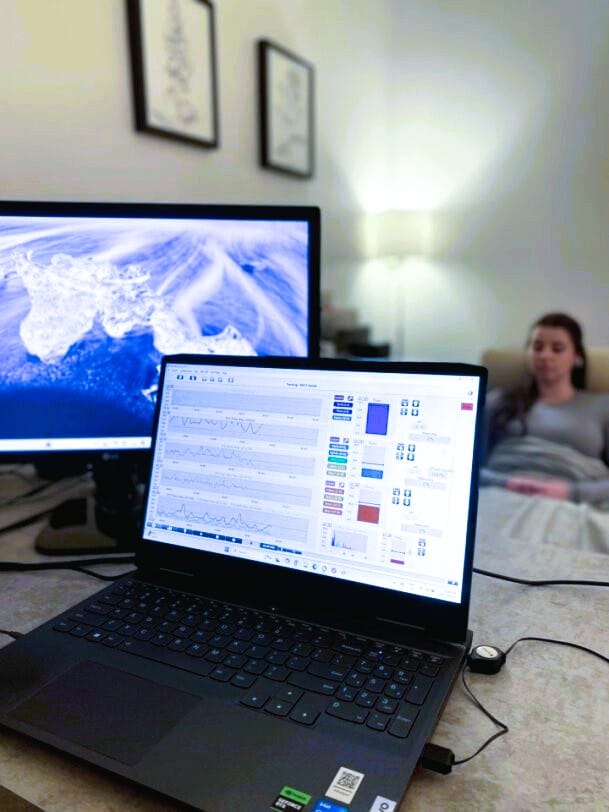
Sensors are placed on the body to monitor physiological activity, and display it to you in real time. Over the course of several sessions with guided practice, individuals develop the skills required to consciously shift physiological measures into more adaptive patterns.
Decades of research continue to support the use of biofeedback for various concerns, including pain management, anxiety, and optimizing performance in various contexts. Biofeedback is also highly complementary to other therapeutic approaches, allowing for holistic, individualized treatment plans that can enhance treatment outcomes.
Who Is Biofeedback For?
Who We Help
Biofeedback is a flexible, evidence-based approach suitable for a wide range of individuals seeking greater control over their physical and emotional well-being.
Adults
Adults managing chronic stress, anxiety, pain conditions, or seeking to improve physical self-regulation and overall wellness through evidence-based training.
Children & Adolescents
Young people experiencing anxiety, attention difficulties, or stress-related physical symptoms who benefit from learning body-awareness and self-regulation skills.
Athletes & Performers
Individuals looking to optimize physiological performance, manage pre-competition stress, and develop greater control over their body’s stress response.
What Biofeedback Training Involves
The Process
Our structured approach ensures that every aspect of your training is personalized, clinically informed, and designed to produce measurable improvement.
Initial Intake
We begin with a comprehensive intake to understand your symptoms, health history, and goals. This helps us develop an individualized and comprehensive treatment plan.
Baseline Assessment
Using specialized sensors, we measure your physiological baseline — including muscle tension, skin temperature, heart rate, and breathing patterns — to identify areas where your body’s stress response may be dysregulated.
Guided Training Sessions
During sessions, sensors provide real-time feedback about your physiological activity through visual displays. Your clinician guides you through techniques to help you shift this activity into more adaptive patterns.
Skill Building & Practice
As you progress, you develop increasing awareness and voluntary control over physiological processes. We introduce home practice strategies so you can apply these skills between sessions.
Progress Review & Integration
We regularly reassess your physiological data and symptoms to track improvement, adjust the treatment plan as needed, and support you in maintaining gains independently over time.

“Between stimulus and response there is a space. In that space is our power to choose our response. In our response lies our growth and our freedom.”
— Viktor E. Frankl
Session Format & Training Experience
What to Expect
Each biofeedback session is designed to be comfortable, informative, and empowering — giving you the tools to understand and influence your body’s responses.
During Your Session
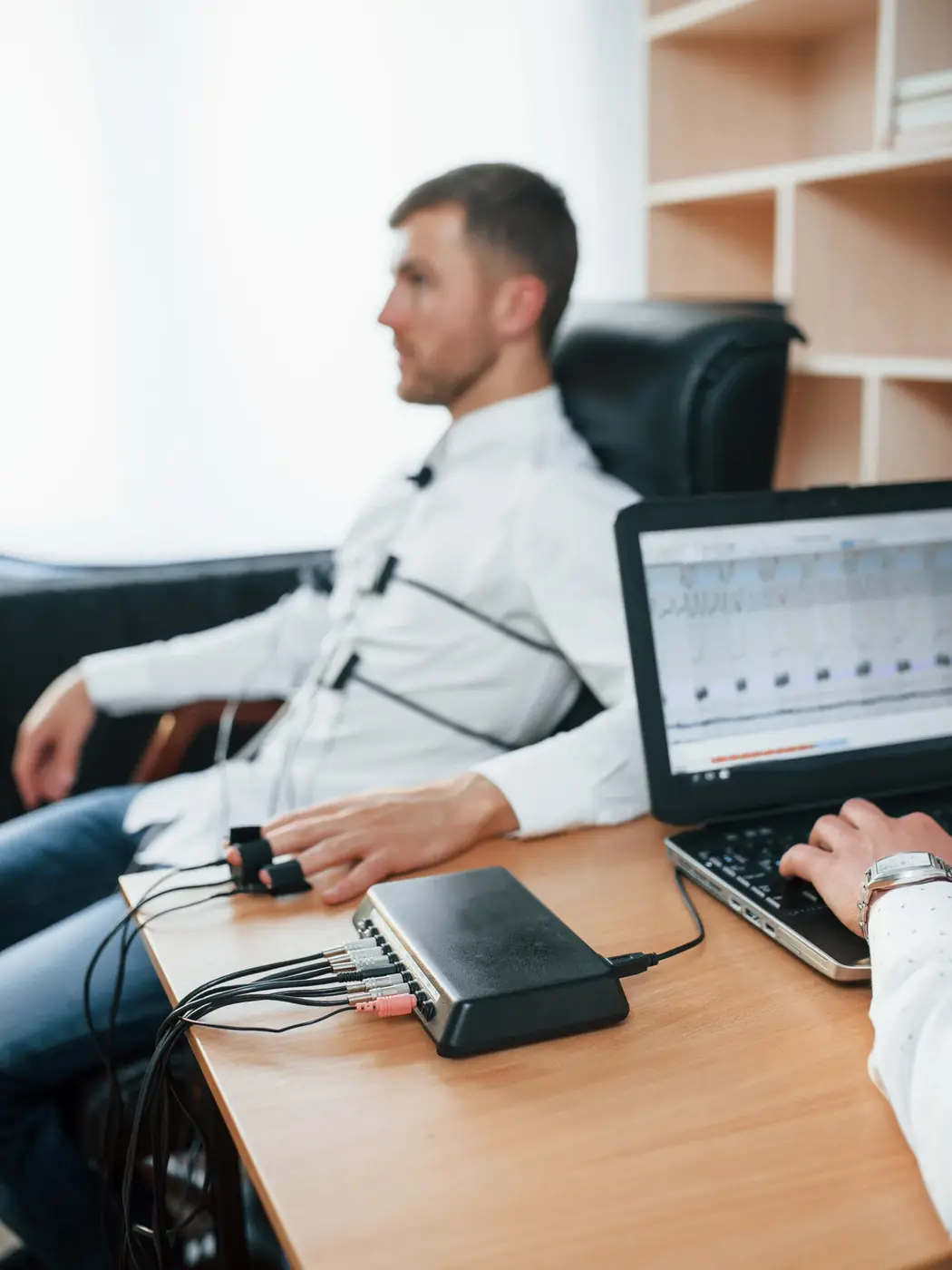
Sessions typically last 30 to 60 minutes and take place in a comfortable, private setting. Small, painless sensors are placed on your skin to measure physiological activity. You’ll see your body’s signals displayed on a monitor and work with your clinician to practice techniques that shift those signals toward healthier patterns.
Non-invasive sensors for muscle tension, heart rate, breathing, and temperature
Real-time visual and auditory feedback displays
Guided relaxation and self-regulation exercises
Clinician support throughout each session
Building Lasting Skills
Home practice strategies to reinforce session learning
Progress tracking through physiological data comparison
Gradual transition to independent self-regulation
Integration with other therapeutic approaches when appropriate

How Biofeedback Helps
Benefits
Research consistently demonstrates that biofeedback training produces meaningful, lasting improvements across a range of physical and psychological conditions.
Pain Management
Biofeedback helps reduce chronic pain, tension headaches, and migraines by teaching you to release muscle tension and regulate pain-related physiological responses.
Anxiety & Stress Reduction
By gaining control over your body’s stress response — including heart rate, breathing, and muscle tension — you develop practical tools to manage anxiety in everyday situations.
Improved Physical Regulation
Training enhances your autonomic nervous system balance, supporting better sleep, digestive function, blood pressure regulation, and overall physical resilience.
Peak Performance
Biofeedback teaches you how to regulate your autonomic nervous system — the system that controls your stress response, recovery, and energy. Learning to control your physiological responses gives you practical tools for managing performance anxiety, optimizing arousal levels, and maintaining composure in high-pressure situations.
How This Fits With Other Services
Related Services
Biofeedback works well alongside other therapies offered at our clinics. Many clients combine biofeedback with complementary approaches for more comprehensive results.

Neurofeedback
Brain-based training that complements biofeedback by targeting brainwave patterns associated with attention, mood, and cognitive performance.
Learn More
HRV Training
A specialized form of biofeedback focused on heart rate variability to build stress resilience and improve autonomic nervous system balance.
Learn More
Psychotherapy
Biofeedback is highly complementary to psychotherapy, allowing for holistic, individualized treatment plans that can enhance treatment outcomes.
Learn MoreFrequently Asked Questions About Biofeedback
Common Questions
Biofeedback is a non-invasive, evidence-based approach that uses electronic sensors to monitor physiological activity — such as muscle tension, skin temperature, heart rate, and breathing — and provides real-time feedback so you can learn to consciously influence these functions. Over time, this training helps your body regulate its stress response more effectively.
Both are forms of physiological self-regulation training, but they target different systems. Biofeedback focuses on peripheral body functions like muscle tension, heart rate, breathing, and skin temperature. Neurofeedback specifically targets brainwave activity using EEG sensors. Many clients at our Ottawa clinics benefit from combining both approaches for a comprehensive treatment plan.
Biofeedback has strong research support for chronic pain, tension headaches, migraines, anxiety, stress-related disorders, high blood pressure, temporomandibular joint (TMJ) dysfunction, and irritable bowel syndrome. It is also used to enhance performance in sports and high-pressure environments.
Biofeedback services provided by a registered psychologist, psychotherapist, or social worker may be covered under extended health benefits, employee assistance programs, or insurance plans that include psychological services. Coverage varies by plan, so we recommend checking with your provider. Our team can provide documentation to support your claim.
Yes. Biofeedback is recognized by numerous medical and psychological organizations as an effective, evidence-based intervention. Decades of peer-reviewed research support its use for pain management, stress reduction, anxiety, and a range of other conditions. It is used in hospitals, rehabilitation centres, and clinical practices worldwide.
Most clients begin to notice improvements within 6 to 10 sessions, though the total number depends on your goals and the complexity of your symptoms. Some conditions respond quickly, while chronic or longstanding concerns may benefit from a longer course of training. Your clinician will discuss a recommended plan during your initial intake.
Session fees vary depending on the type and length of biofeedback training. We are happy to discuss costs during your initial inquiry and can provide information about insurance coverage options. Our Ottawa clinics offer flexible scheduling to help make treatment accessible.

Ready to Learn More About Biofeedback?
Our team is here to answer your questions and help you determine whether biofeedback is the right fit for your needs.
Contact us to schedule an initial consultation or to learn more about how biofeedback training can support your health and well-being.