

Autism Support & Assessment in Ottawa
Understanding how your brain works is the foundation for meaningful support. Whether you’re exploring a diagnosis or seeking affirming care, we’re here to help.

What Is Autism?
Understanding Autism
Autism — formally known as autism spectrum disorder (ASD) — is a neurodevelopmental difference that shapes how a person perceives, processes, and interacts with the world. It is not a disease or a deficit. It is a different way of experiencing life — one that comes with its own strengths, challenges, and support needs.
Autism exists on a spectrum, meaning it looks different for every individual. Some people may need significant day-to-day support, while others navigate life independently but experience challenges in social communication, sensory processing, or emotional regulation.
At Stradwick Clinic, we take a neurodiversity-affirming approach. Our Ottawa-based team focuses on understanding each person’s unique profile — not on making someone appear neurotypical. Whether you’re seeking an assessment, therapeutic support, or both, our goal is to help you or your child thrive on your own terms.

Recognizing the Signs
Do any of these resonate?
Autism presents in many different ways — and many individuals go years without recognizing these experiences for what they are.
Book a ConsultationDifferences in social communication or conversation styles
Preference for routine and predictability
Intense interests or deep focus on specific topics
Sensitivity to sensory input — sounds, textures, lights, or crowds
Difficulty reading social cues or understanding unspoken expectations
Feeling different from peers without knowing why
Needing more time to process information or transitions
Stimming or self-soothing behaviours (e.g., rocking, fidgeting)
Masking — working hard to appear neurotypical in social settings
Emotional overwhelm in unfamiliar or unpredictable situations
Affirming, Evidence-Based Support
How We Can Help
Our approach centres on understanding — not changing — who you are. We offer assessment, therapy, and brain-based interventions that respect neurodivergent identities and support individual goals.
Comprehensive Autism Assessment
A thorough autism assessment is often the starting point for understanding. Our assessments go beyond checklists — they explore your unique profile of strengths, challenges, and support needs. For many individuals, receiving a diagnosis brings clarity, self-compassion, and a foundation for meaningful next steps.
Psychotherapy
Individual therapy provides a space to explore identity, build self-understanding, and develop strategies for navigating a world not always designed for neurodivergent minds. Our clinicians use affirming, strengths-based approaches tailored to each person’s communication style and goals.

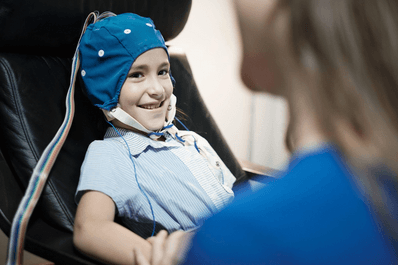
Neurofeedback
Neurofeedback can support individuals with autism who experience co-occurring challenges such as anxiety, sensory overload, or difficulty with emotional regulation. By training the brain to shift patterns of overactivation, it may help reduce distress and increase a sense of calm — without requiring verbal processing.
Play Therapy & Sandtray Therapy
For children, play-based and sandtray approaches offer a natural, low-pressure way to express emotions, build social skills, and develop coping strategies. These modalities meet children where they are — honouring their unique way of engaging with the world.

“Having Autism doesn’t mean something is wrong with you. It means your brain works differently — and understanding that difference is powerful.”
Support for Individuals with Autism Across the Lifespan
Who We Help
We work with children, adolescents, and adults — meeting each person where they are and honouring the diversity of the autism experience.
Adults
Whether you’re navigating workplace challenges or exploring your identity as an individual with autism, our clinicians provide affirming support tailored to your goals — not society’s expectations.
Adolescents & Teens
The social complexity of adolescence can be particularly challenging for teens with autism. We provide support with emotional regulation, social navigation, self-advocacy, and the identity questions that often arise during this stage of life.
Children
For younger children, we offer diagnostic assessment and therapeutic support using play therapy, sandtray therapy, and other approaches that honour each child’s unique way of engaging with the world. We partner closely with families throughout the process.
What to Expect
Your First Steps
Whether you’re exploring a diagnosis or seeking support, here’s what the process looks like at our Ottawa clinics.
Initial Consultation
We begin with a conversation to understand your concerns, experiences, and goals. This helps us determine whether an assessment, therapeutic support, or both would be most helpful.
Comprehensive Assessment
If you’re exploring a diagnosis, our assessment process is thorough and affirming — designed to understand your unique profile of strengths, challenges, and support needs.
Personalized Support Plan
Based on your assessment results or therapeutic goals, we develop a plan that reflects your values and priorities — whether that involves therapy, neurofeedback, or other supports.
Ongoing Support & Growth
Support looks different for everyone. Some individuals benefit from short-term, focused work; others prefer ongoing sessions. Your clinician will adapt the approach as your needs evolve.
Services That Can Help
Related Services
Depending on your needs, you may benefit from one or more of these services.

Autism Assessment
Comprehensive diagnostic assessment to understand your unique profile of strengths, challenges, and support needs.
Learn More
Neurofeedback
Brain-based support for co-occurring anxiety, sensory overload, and emotional regulation challenges.
Learn More
Play Therapy
A natural, child-led approach that supports emotional expression, social skills, and coping strategies.
Learn MoreFrequently Asked Questions About Autism
Common Questions
Many adults on the autism spectrum were not diagnosed as children — particularly women and individuals who learned to mask their differences. Common signs in adulthood include difficulty with social reciprocity, a strong need for routine, sensory sensitivities, intense or focused interests, and a persistent feeling of being different from peers. Please note that we currently provide autism assessments for children and adolescents only. If these experiences resonate with you, we can help connect you with appropriate resources.
A neurodiversity-affirming approach recognizes autism as a natural variation in how the brain works — not as something that needs to be fixed. Our goal is not to make individuals with autism appear neurotypical, but to understand their unique profile and provide support that aligns with their values, strengths, and personal goals.
While autism is a neurodevelopmental condition present from early childhood, it can be formally identified at any age. Many individuals — especially women, non-binary people, and those with strong masking skills — are not diagnosed until adolescence or adulthood. At our clinic, we currently provide autism assessments for children and adolescents up to age 18.
Yes. We provide comprehensive autism assessments for children and adolescents, as well as therapeutic support using play therapy, sandtray therapy, and other developmentally appropriate approaches. We work collaboratively with families to ensure that support is meaningful and aligned with the child’s needs.
Absolutely — when it’s the right kind of therapy. Many individuals with autism benefit from support with anxiety, emotional regulation, social navigation, or identity exploration. The key is working with a clinician who understands autism and takes a strengths-based, affirming approach rather than trying to change who someone is.
While both are neurodevelopmental conditions with some overlapping features, autism and ADHD have distinct profiles. An autism assessment focuses on social communication, sensory processing, and patterns of behaviour, while an ADHD assessment centers on attention, impulsivity, and executive functioning. It’s also common for both to co-occur — and our assessments are designed to explore the full picture.
Assessment fees vary depending on the complexity of the evaluation. Many extended health benefit plans cover services provided by registered psychologists. We recommend checking with your insurance provider to confirm your coverage. We’re happy to provide documentation for insurance submissions.

Ready to Take the Next Step?
Whether you’re exploring a diagnosis, seeking affirming support, or looking for guidance for your child — we’re here to help you move forward with understanding and confidence.
Contact us to learn more about our neurodiversity-affirming approach to autism support in Ottawa.