
Treatment Interventions
HRV Training in Ottawa
Evidence-based heart rate variability training that strengthens your nervous system’s capacity for stress recovery and self-regulation. Our Ottawa clinics offer personalized HRV biofeedback for anxiety, burnout, cardiovascular health, and peak performance.

Understanding HRV
What Is HRV Training?
Heart rate variability training is an evidence-based biofeedback technique that teaches you to consciously influence the rhythm of your heartbeat through guided breathing and relaxation.
Your heart doesn’t beat like a metronome — there are subtle, natural variations in the time between each beat. These variations reflect how well your autonomic nervous system balances its “fight or flight” and “rest and digest” branches. When this balance is disrupted by chronic stress, trauma, or illness, HRV tends to decrease — and with it, your capacity to recover, regulate emotions, and maintain well-being.
HRV training uses real-time physiological monitoring to help you practice resonance frequency breathing — a specific breathing pace that maximizes the natural synchronization between your heart rate and respiratory rhythm. Over time, this training strengthens your vagal tone and builds measurable autonomic flexibility, supporting both mental and physical health.
Who Is HRV Training For?
Who We Help
HRV training benefits a wide range of individuals — from those managing clinical conditions to those seeking to optimize performance and resilience.
Adults
Adults experiencing chronic stress, anxiety, burnout, or cardiovascular concerns who want to build measurable resilience and improve autonomic nervous system balance.
Children & Adolescents
Young people dealing with anxiety, emotional dysregulation, or attention difficulties who benefit from learning calming techniques grounded in real-time physiological feedback.
Athletes & High Performers
Individuals seeking to optimize recovery, manage performance anxiety, and improve focus through enhanced heart rate variability and stress resilience.
What HRV Training Involves
The Process
Our structured approach ensures that your training is personalized, clinically informed, and designed to produce measurable improvement in autonomic function.
Baseline HRV Assessment
HRV training may be a part of your individualized treatment plan once progress has been made in initial biofeedback sessions. Using specialized sensors, we measure your resting heart rate variability to establish a baseline. This data reveals how well your autonomic nervous system is balancing its stress and recovery responses.
Guided Training Sessions
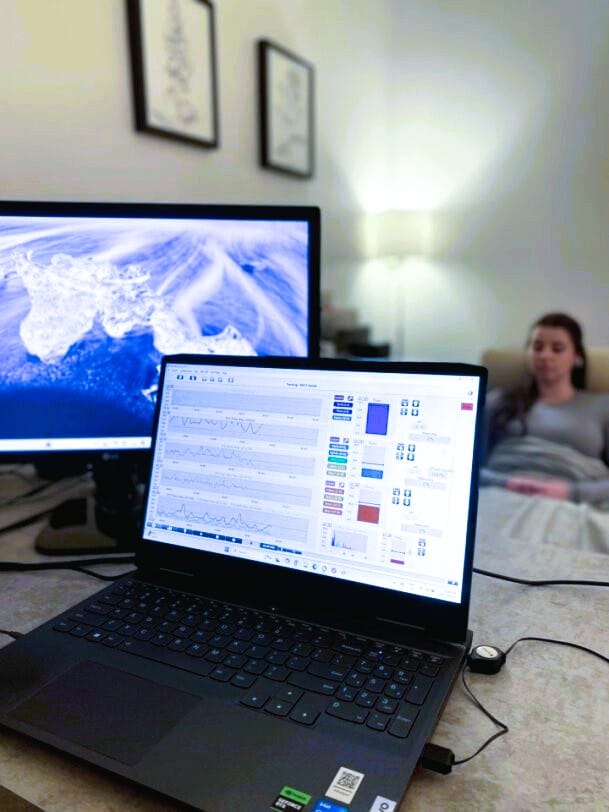
During each session, you practice resonance frequency breathing and relaxation techniques while watching your HRV data in real time. Your clinician coaches you to achieve optimal coherence between your heart rate and breathing rhythm.
Home Practice Integration
We introduce techniques and breathing exercises you can use between sessions to reinforce your training. Consistent daily practice — even 10 to 20 minutes — accelerates progress and builds lasting autonomic flexibility.
Progress Review & Adjustment
We regularly reassess your HRV data and symptoms to track measurable improvement. The treatment plan is re-assessed regularly as your nervous system adapts, ensuring continued progress toward your wellness goals.
“The body keeps the score — and learning to listen to it is the first step toward healing.”
— Inspired by Bessel van der Kolk
Session Format & Training Experience
What to Expect
Each HRV training session will offer guidance and experience in building the necessary skills to self-regulate, manage stress, and enhance your resiliency.

During Your Session
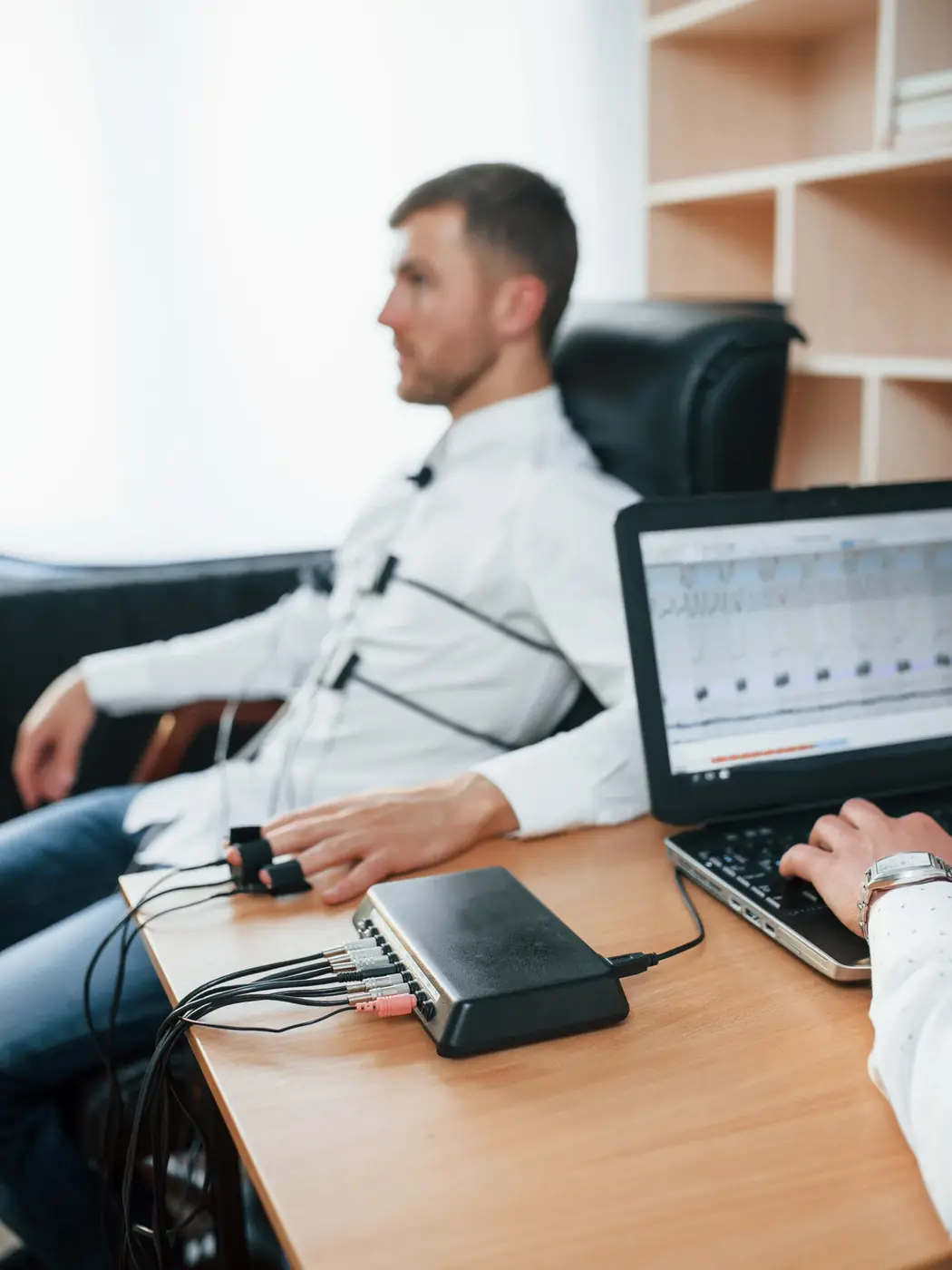
Sessions typically last 30 to 60 minutes in a comfortable, private setting. Specialized sensors are attached to your finger and additional sensors measure your respiration. You’ll see your HRV data displayed on a screen as you practice guided breathing at your personal resonance frequency.
Non-invasive heart rate sensor (fingertip)
Additional respiration sensors
Real-time HRV coherence and breathing feedback display
Guided resonance frequency breathing practice
Clinician coaching throughout each session
Building Lasting Resilience
Breathing techniques and daily practice guidance
Progress tracking through HRV data comparison over time
Gradual transition to independent self-regulation
Integration with psychotherapy or neurofeedback when appropriate

How HRV Training Helps
Benefits
Research consistently demonstrates that improving heart rate variability produces meaningful, lasting benefits across a range of physical and psychological domains.
Stress Resilience
HRV training strengthens your nervous system’s ability to recover from stress quickly and efficiently — reducing the cumulative toll of daily pressures on your mind and body.
Anxiety & Emotional Regulation
Improved vagal tone supports calmer emotional responses, fewer anxiety symptoms, and a greater sense of control in challenging situations.
Cardiovascular Health
Higher HRV is associated with better cardiovascular function, healthier blood pressure, and reduced risk of stress-related heart conditions.
Performance Optimization
Athletes and professionals use HRV training to sharpen focus, accelerate recovery, and maintain peak cognitive and physical performance under pressure.
How This Fits With Other Services
Related Services
HRV training is highly complementary to other treatment modalities, and can be easily integrated into treatment plans to provide comprehensive nervous system support.

Biofeedback
A broader physiological training approach that complements HRV work by targeting muscle tension, skin temperature, and breathing patterns.
Learn More
Neurofeedback
Brain-based training that pairs naturally with HRV work — addressing brainwave patterns associated with attention, mood, and cognitive performance.
Learn More
Psychotherapy
HRV training is highly complementary to other treatment modalities, and can be easily integrated into treatment plans to provide comprehensive nervous system support.
Learn MoreFrequently Asked Questions About HRV Training
Common Questions
HRV training is a form of biofeedback that focuses on heart rate variability — the natural variation in time between heartbeats. By learning to influence this variability through guided breathing and relaxation techniques, you can improve your autonomic nervous system’s ability to shift between stress and recovery states. Higher HRV is associated with improved emotional regulation, cardiovascular health, and overall resilience.
Heart rate variability varies significantly by age, fitness level, and individual factors, so there is no single ‘good’ number. Generally, higher HRV indicates a more flexible and resilient nervous system. Low HRV is associated with chronic stress, anxiety, cardiovascular risk, and reduced emotional regulation. HRV training helps shift your baseline toward greater variability and better autonomic balance.
HRV can be improved through consistent practice of resonance frequency breathing, regular physical activity, quality sleep, and stress management. Clinical HRV training at our Ottawa clinics provides structured guidance, real-time feedback, and personalized protocols that produce faster and more measurable results than self-directed approaches alone.
HRV training provided by a registered psychologist, psychotherapist, or social worker may be covered under extended health benefits or employee assistance programs that include psychological services. Coverage varies by plan and provider. Our team can provide documentation and receipts to support your insurance claim.
HRV training is a form of biofeedback that specifically targets the relationship between breathing and heart rate. While general biofeedback may address muscle tension, skin temperature, or other physiological signals, HRV training zeroes in on achieving coherence — a state where your breathing rhythm and heart rate synchronize for optimal autonomic nervous system function.
Most clients begin to notice improvements in stress tolerance and emotional regulation within 6 to 10 sessions. The total number depends on your goals, baseline HRV, and consistency with home practice. Some clients complete a focused course of training, while others choose to continue periodic sessions to maintain and deepen their gains.
Research shows that HRV training can reduce anxiety by improving vagal tone and autonomic balance. Many clients at our clinics use HRV training alongside psychotherapy or neurofeedback for a comprehensive approach to anxiety management. The breathing and self-regulation skills you develop are practical tools you can use in everyday situations.

Ready to Improve Your Heart Rate Variability?
Our team is here to answer your questions and help you determine whether HRV training is the right fit for your health and performance goals.
Contact us to schedule an initial consultation or to learn more about how HRV training can support your stress resilience and overall well-being.