

ADHD Treatment in Ottawa
ADHD affects how you focus, organize, and regulate your energy — but with the right support, you can work with your brain instead of against it.

What Is ADHD?
Understanding ADHD
Attention-deficit/hyperactivity disorder (ADHD) is a neurodevelopmental condition that affects how the brain manages attention, impulse control, and executive functioning. It’s not about laziness or lack of willpower — it’s about how your brain is wired to process information, manage priorities, and regulate energy.
ADHD can present as predominantly inattentive, predominantly hyperactive-impulsive, or a combination of both. It affects children, adolescents, and adults — and for many people, it goes unrecognized well into adulthood.
At Stradwick Clinic, our Ottawa-based team provides comprehensive ADHD assessment and evidence-based treatment. We look at the full picture — including how ADHD interacts with anxiety, depression, learning difficulties, and other conditions — to ensure the support you receive is truly tailored to you.

Recognizing the Signs
Do any of these sound familiar?
ADHD symptoms can look different depending on age, gender, and individual circumstances. You may recognize some of these experiences in yourself or someone you care about.
Book a ConsultationDifficulty sustaining attention on tasks or conversations
Frequently losing things — keys, phone, important documents
Trouble organizing tasks, managing time, or meeting deadlines
Feeling restless or an internal sense of being driven
Impulsive decisions or difficulty waiting your turn
Easily distracted by unrelated thoughts or stimuli
Starting many projects but struggling to finish them
Difficulty following through on instructions or commitments
Forgetfulness in daily activities and routines
Emotional reactivity — frustration, impatience, or mood swings
Evidence-Based Approaches to ADHD
How We Can Help
Effective ADHD treatment goes beyond symptom management. Our Ottawa clinics offer approaches that help you understand how your brain works — and build strategies that support lasting change.
Neurofeedback
Neurofeedback for ADHD is a non-stimulant approach that trains the brain to improve focus, self-regulation, and cognitive flexibility. By providing real-time feedback on brainwave activity, it aims to address the underlying neural patterns associated with ADHD — offering an alternative or complement to medication.
Cognitive-Behavioural Therapy (CBT)
CBT for ADHD focuses on developing practical strategies for organization, time management, and emotional regulation. It helps you identify the thought patterns and behaviours that create obstacles — and build systems that work with the way your brain operates.


Comprehensive ADHD Assessment
A thorough psychodiagnostic assessment is often the first step toward clarity. Our assessments look beyond surface symptoms to understand the full picture — including whether co-occurring conditions like anxiety, depression, or learning difficulties are also contributing to your challenges.
Psychotherapy & Coaching
Individual therapy provides a supportive space to work through the emotional impact of ADHD — such as low self-esteem, chronic frustration, or relationship difficulties. Combined with skills-based coaching, it helps you build confidence and develop strategies tailored to your daily life.

“You don’t have a broken brain — you have a brain that works differently. Once you understand how it works, you can start building a life that works with it.”
ADHD Looks Different at Every Stage of Life
Who We Help
We provide specialized support for individuals across the lifespan, recognizing that ADHD presents uniquely depending on age, gender, and life circumstances.
Adults
Many adults with ADHD weren’t diagnosed as children. Whether you’re struggling with work performance, relationships, or a persistent sense of underachievement, our clinicians help you build strategies that align with how your brain actually works.
Adolescents & Teens
The academic and social demands of adolescence can amplify ADHD challenges. We use age-appropriate approaches — including CBT and neurofeedback — and work collaboratively with families and schools to provide comprehensive support.
Children
ADHD in children can present as difficulty sitting still, trouble following instructions, or challenges with peer relationships. Our team uses play-based, developmentally sensitive approaches and partners closely with parents to support the whole child.
What to Expect
Your First Steps
Whether you’re seeking a diagnosis or exploring treatment, here’s what the process looks like at our Ottawa clinics.
Initial Consultation
We begin with a conversation to understand your concerns, history, and goals. This helps us determine whether an assessment, treatment, or both would be the best starting point.
Comprehensive Assessment
If indicated, a full psychodiagnostic assessment provides clarity about ADHD and any co-occurring conditions — giving you and your clinician a detailed foundation for treatment.
Personalized Treatment Plan
Together, you and your clinician will develop a plan tailored to your needs — whether that includes neurofeedback, CBT, coaching, or a combination of approaches.
Ongoing Support & Progress
Regular sessions provide continuity and accountability. Your clinician will track progress, refine strategies, and help you build momentum toward the life you want.
Services That Can Help
Related Services
Depending on your needs, you may benefit from one or more of these services.

ADHD Assessment
Comprehensive psychodiagnostic assessment to clarify whether ADHD is present and guide treatment planning.
Learn More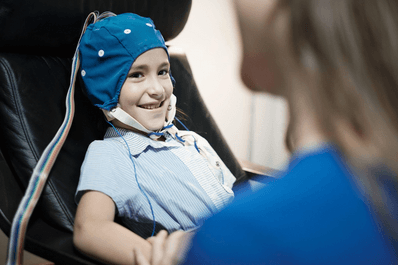
Neurofeedback
Non-stimulant brain training that targets the neural patterns associated with inattention and impulsivity.
Learn More
CBT Therapy
Practical, skills-based therapy to improve organization, time management, and emotional regulation.
Learn MoreFrequently Asked Questions About ADHD
Common Questions
Adult ADHD often looks different from childhood presentations. Common signs include chronic difficulty with organization and time management, trouble sustaining attention during meetings or conversations, impulsive decision-making, emotional reactivity, and a pattern of starting projects without finishing them. Many adults with ADHD have developed coping strategies that mask their symptoms, which is why a comprehensive assessment is often helpful.
Yes. While ADHD begins in childhood, it is frequently not recognized or diagnosed until adulthood — particularly in women and individuals with the predominantly inattentive presentation. A thorough psychodiagnostic assessment can clarify whether ADHD is present, even if symptoms were not identified earlier in life.
Yes. Many individuals manage ADHD effectively through non-stimulant approaches such as neurofeedback, cognitive-behavioural therapy, and skills-based coaching. These interventions address the underlying patterns of attention and self-regulation without the use of medication. For those who do use medication, therapy-based approaches often complement it well.
Neurofeedback is a form of biofeedback that trains the brain to regulate its own activity. For ADHD, it targets the specific brainwave patterns associated with inattention and impulsivity. Research suggests it can produce lasting improvements in focus and self-regulation. At our clinic, neurofeedback is guided by qEEG brain mapping to ensure a personalized approach.
Yes. We provide comprehensive ADHD assessments and evidence-based treatment for children, adolescents, and adults. For younger clients, we use developmentally appropriate approaches and work closely with parents, teachers, and other professionals involved in the child’s care.
An ADHD screening is typically a brief questionnaire that indicates whether further evaluation may be warranted. A comprehensive assessment involves clinical interviews, standardized testing, behavioural observations, and sometimes qEEG brain mapping — providing a detailed understanding of cognitive strengths, challenges, and any co-occurring conditions.
Session fees vary by clinician and service type. Many extended health benefit plans cover services provided by registered psychologists, psychotherapists, and social workers. We recommend checking with your insurance provider to confirm your coverage. We’re happy to provide documentation for insurance submissions.

Ready to Take the Next Step?
Whether you’re seeking a diagnosis, exploring treatment options, or looking for support — we’re here to help you move forward with clarity and confidence.
Contact us to learn more about our approach to ADHD assessment and treatment in Ottawa.