

Learning Disorders & Dyslexia Support in Ottawa
Learning differently isn’t a limitation — it’s a starting point. With the right assessment and support, your child can build confidence, develop strategies, and thrive.

What Is a Learning Disorder?
Understanding Learning Disorders
A learning disorder is a neurodevelopmental condition that affects how the brain processes specific types of information. It can impact reading (dyslexia), written expression (dysgraphia), mathematics (dyscalculia), or a combination of these areas. Learning disorders are not related to intelligence — they reflect differences in how the brain takes in, stores, and uses information.
Children and adults with learning disorders often have strong verbal skills, creativity, and problem-solving ability, but struggle with specific academic tasks that don’t match their overall potential. This gap between ability and performance is one of the defining features of a specific learning disorder.
At Stradwick Clinic in Ottawa, we provide comprehensive assessments to identify learning disorders and connect individuals with the accommodations and support they need. Whether you’re seeking answers for your child or clarity for yourself as an adult, our team is here to help you understand how you learn — and how to learn well.

Recognizing the Signs
Could a learning disorder be playing a role?
Learning disorders can look different depending on the age of the individual and the specific area affected. These are some of the most common signs that parents, teachers, and adults themselves notice.
Book a ConsultationDifficulty reading, including slow or inaccurate reading aloud
Trouble understanding what was just read despite decoding the words
Difficulty with spelling or frequent, unusual spelling errors
Struggles with written expression — organizing thoughts on paper
Difficulty with math concepts, number sense, or calculations
Avoiding activities that involve reading, writing, or math
Taking significantly longer than peers to complete schoolwork
Frustration, anxiety, or low self-esteem related to academics
Difficulty following multi-step instructions or remembering sequences
A gap between verbal ability and academic performance
Assessment, Support & Intervention
How We Can Help
Understanding a learning disorder starts with a thorough assessment. From there, we connect you with targeted interventions and support — helping build the skills and confidence needed to thrive academically and personally.
Psychoeducational Assessment
A comprehensive psychoeducational assessment is the first step toward understanding a learning disorder. This assessment identifies specific learning profiles — including strengths and areas of difficulty — and provides the formal diagnosis needed to access accommodations at school, college, or in the workplace.
Psychodiagnostic Assessment
When learning difficulties occur alongside emotional or behavioural concerns, a psychodiagnostic assessment provides a broader clinical picture. This is particularly important when conditions like ADHD, anxiety, or depression may be contributing to academic challenges.

Neurofeedback
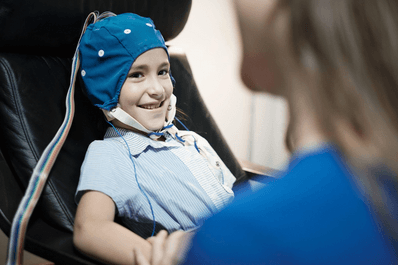
Neurofeedback trains the brain to improve focus, processing speed, and self-regulation — key areas often affected by learning disorders. Guided by qEEG brain mapping, this non-invasive approach supports the cognitive foundations that underpin reading, writing, and mathematical learning.
Play Therapy
For younger children, play therapy provides a developmentally appropriate way to process the frustration, anxiety, and self-doubt that often accompany learning difficulties. Through play, children build confidence, emotional resilience, and a healthier relationship with learning.

“Every child can learn — just not in the same way or on the same day. Understanding how your child learns is the first step toward helping them succeed.”
Support for Every Stage of Learning
Who We Help
Learning disorders affect individuals across the lifespan. Our Ottawa clinics provide assessment and support tailored to where you are in your learning journey.
Children
Early identification is key. We assess children who are struggling with reading, writing, or math to identify learning disorders and connect families with the right school-based supports, accommodations, and interventions.
Adolescents & Teens
As academic demands increase, undiagnosed learning disorders can lead to frustration, avoidance, and declining confidence. Assessment provides clarity and access to accommodations that make a meaningful difference through high school and beyond.
Adults
Many adults with learning disorders were never formally assessed. Whether you’re pursuing post-secondary education, navigating workplace challenges, or simply seeking answers, an assessment can provide validation, clarity, and practical support.
What to Expect
Your First Steps
Here’s how we guide you through assessment and support at our Ottawa clinics.
Initial Consultation
We begin with a conversation to understand your concerns, academic history, and goals. This helps us determine the most appropriate type of assessment.
Comprehensive Assessment
A thorough psychoeducational or psychodiagnostic assessment evaluates cognitive abilities, academic skills, and information processing to identify specific learning differences.
Detailed Report & Recommendations
You receive a comprehensive report with diagnostic conclusions, a detailed learning profile, and practical recommendations for accommodations and support.
Follow-Up & Ongoing Support
A feedback session reviews results, answers questions, and discusses next steps — whether that involves school accommodations, therapeutic support, or neurofeedback.
Services That Can Help
Related Services
Depending on your needs, you may benefit from one or more of these services.

Psychoeducational Assessment
Comprehensive assessment to identify specific learning disorders and access school accommodations.
Learn More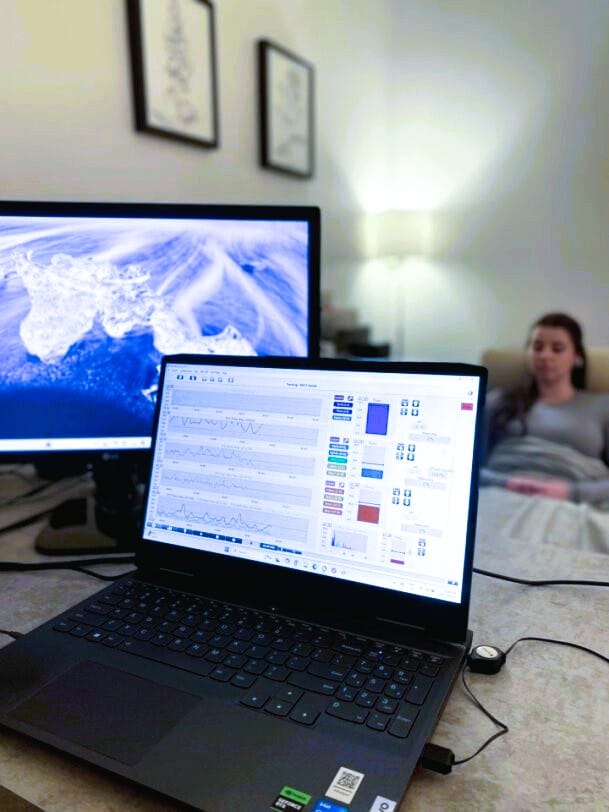
Neurofeedback
Brain-based training to improve focus, processing speed, and cognitive foundations for learning.
Learn More
Play Therapy
Developmentally appropriate support for children navigating the emotional impact of learning differences.
Learn MoreFrequently Asked Questions About Learning Disorders
Common Questions
A learning disorder (also called a specific learning disorder) is a neurodevelopmental condition that affects how the brain processes information related to reading, writing, or mathematics. It is not a reflection of intelligence — individuals with learning disorders often have average or above-average cognitive ability but struggle with specific academic skills.
In clinical practice, these terms are often used interchangeably. ‘Specific learning disorder’ is the formal diagnostic term used in the DSM-5. ‘Learning disability’ is more commonly used in educational and legal contexts, particularly when accessing accommodations or funding. A psychoeducational assessment can clarify the diagnosis regardless of which terminology is used.
Dyslexia is a specific learning disorder that primarily affects reading. It involves difficulties with accurate or fluent word recognition, poor spelling, and challenges with decoding. Dyslexia is neurological in origin and is not caused by a lack of effort or intelligence. With the right support, individuals with dyslexia can develop effective reading strategies and thrive academically.
Learning disorders are neurobiological in origin, meaning they relate to differences in brain structure and function. Genetics play a significant role — learning disorders often run in families. Environmental factors during early development can also contribute, but learning disorders are never caused by a lack of motivation, poor teaching, or inadequate parenting.
Learning disorders are diagnosed through a comprehensive psychoeducational assessment. This process typically includes standardized testing of cognitive ability, academic achievement, and information processing. The assessment identifies the specific nature and severity of the learning difficulty, rules out other contributing factors, and provides recommendations for support and accommodations.
Yes. Many adults were never formally assessed during childhood and have spent years developing workarounds for their difficulties. An adult assessment can provide clarity, validation, and access to workplace or post-secondary accommodations. It’s never too late to understand how you learn best.
Common accommodations include extended time on tests, access to assistive technology, modified assignment formats, preferential seating, and individualized education plans (IEPs). A formal psychoeducational assessment is typically required to access these supports through schools, universities, or professional licensing bodies.
Assessment fees vary based on the type and complexity of the evaluation. Many extended health benefit plans cover services provided by registered psychologists. We recommend checking with your insurance provider to confirm your coverage. We’re happy to provide documentation for insurance submissions.

Ready to Understand How You Learn?
Whether you’re seeking answers for your child or clarity for yourself, our Ottawa-based team is here to help. Book a consultation to take the first step.