

Anxiety Treatment in Ottawa
Anxiety can feel all-consuming — constant worry, physical tension, and a mind that won’t quiet down. With the right support, it doesn’t have to stay that way.

What Is Anxiety?
Understanding Anxiety
Anxiety is more than everyday stress. While everyone feels nervous before a big event or uncertain during a difficult time, an anxiety disorder involves persistent, excessive worry that interferes with daily life. It can affect how you think, how your body feels, and how you engage with the world around you.
Anxiety disorders are among the most common mental health conditions, affecting people of all ages. They can present as generalized anxiety, social anxiety, panic disorder, or specific phobias — and they often co-occur with depression, ADHD, or trauma-related conditions.
At Stradwick Clinic, we understand that anxiety looks different for everyone. Our Ottawa-based team takes a comprehensive approach — looking at the full clinical picture to ensure the support you receive addresses the root of what you’re experiencing, not just the surface symptoms.

Recognizing the Signs
Do any of these feel familiar?
Anxiety can show up in many ways — emotionally, physically, and behaviourally. You may recognize some of these experiences in yourself or someone close to you.
Book a ConsultationPersistent worry that feels difficult to control
Restlessness or feeling on edge
Difficulty concentrating or mind going blank
Muscle tension, headaches, or jaw clenching
Irritability or feeling easily overwhelmed
Sleep difficulties — trouble falling or staying asleep
Avoidance of social situations or everyday tasks
Panic attacks — sudden waves of intense fear
Racing heart, shortness of breath, or dizziness
A sense of dread or anticipating the worst
Evidence-Based Approaches to Anxiety
How We Can Help
Effective anxiety treatment is grounded in research and shaped by your individual needs. Our Ottawa clinics offer several approaches that can be used on their own or combined for a more comprehensive plan.
Cognitive-Behavioural Therapy (CBT)
CBT is one of the most extensively researched treatments for anxiety disorders. It helps you identify and restructure the thought patterns that fuel worry, while building practical coping strategies you can use in daily life. Research supports CBT for generalized anxiety, social anxiety, and panic disorder. Our article on CBT for anxiety explains what treatment involves and what to expect.
Psychotherapy
Talk therapy provides a safe, supportive space to explore the underlying causes of your anxiety — whether rooted in past experiences, relational patterns, or current life stressors. Our clinicians draw on evidence-based approaches tailored to your unique situation.


Neurofeedback
Neurofeedback trains the brain to shift out of overactive patterns associated with anxiety. By providing real-time feedback on brainwave activity, this non-invasive approach can help reduce the hypervigilance and emotional reactivity that often accompany anxiety disorders.
Biofeedback & HRV Training
Biofeedback and heart rate variability (HRV) training teach you to regulate your body’s stress response. These physiological approaches are particularly helpful for individuals who experience the physical symptoms of anxiety, such as racing heart, shallow breathing, or chronic tension.

“Anxiety doesn’t have to run your life. With the right tools and support, you can learn to respond to worry rather than be controlled by it.”
Anxiety Affects People at Every Stage of Life
Who We Help
We provide specialized support for individuals across the lifespan, recognizing that anxiety presents differently depending on age, context, and life circumstances.
Adults
Whether you’re dealing with workplace stress, health anxiety, social fears, or a generalized sense of dread, our clinicians help you develop practical strategies to manage worry and reclaim a sense of calm in your daily life.
Adolescents & Teens
Anxiety in teenagers often shows up as perfectionism, avoidance, social withdrawal, or difficulty sleeping. We use age-appropriate approaches — including adapted CBT — and work collaboratively with families to provide comprehensive support.
Children
Childhood anxiety can present as clinginess, frequent stomachaches, meltdowns, or reluctance to attend school. Our team uses play-based and developmentally sensitive approaches to help children build confidence and manage their worries.
What to Expect
Your First Steps
Starting therapy can feel daunting — especially when anxiety is what brought you here. Here’s what the process typically looks like at our Ottawa clinics.
Initial Consultation
We begin with a conversation to understand your concerns, history, and goals. This helps us determine the most appropriate therapeutic approach for your specific type of anxiety.
Clinical Intake
Your clinician will conduct a thorough clinical interview to understand the nature and patterns of your anxiety, as well as any co-occurring conditions such as depression, ADHD, or trauma.
Personalized Treatment Plan
Together, you and your clinician will develop a plan tailored to your needs — whether that includes CBT, neurofeedback, biofeedback, or a combination of approaches.
Ongoing Support & Progress
Regular sessions provide continuity and a safe space to build new skills. Your clinician will track your progress and adjust the approach as needed to keep you moving forward.
Services That Can Help
Related Services
Depending on your needs, you may benefit from one or more of these approaches.

CBT Therapy
Structured, goal-oriented therapy focused on identifying and changing the thought patterns that drive anxiety.
Learn More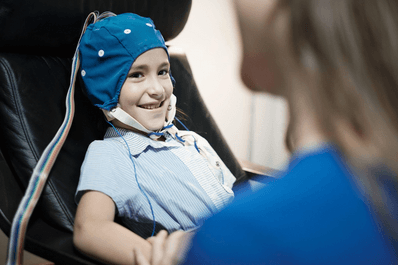
Neurofeedback
Brain-based training that helps regulate the neural patterns associated with chronic worry and hypervigilance.
Learn More
Biofeedback
Learn to manage the physical symptoms of anxiety through real-time physiological monitoring and regulation techniques.
Learn MoreFrequently Asked Questions About Anxiety
Common Questions
Everyone experiences anxiety from time to time — it’s a normal response to stress. An anxiety disorder is different: the worry is persistent, disproportionate to the situation, and interferes with daily life. If you’ve been experiencing ongoing worry, physical tension, avoidance, or panic for several weeks or more, a clinical assessment can help clarify what you’re experiencing.
We work with individuals experiencing a range of anxiety presentations, including generalized anxiety disorder (GAD), social anxiety, panic disorder, specific phobias, and anxiety related to life transitions or health concerns. Our clinicians tailor their approach based on a thorough understanding of your specific symptoms and circumstances.
Yes. Many individuals experience significant relief through therapy alone. Cognitive-behavioural therapy, neurofeedback, and biofeedback are all evidence-based approaches that do not involve medication. If medication is something you’d like to explore, we can coordinate with your family physician or psychiatrist to ensure a comprehensive plan.
This varies depending on the type and severity of anxiety, as well as your goals. Some individuals notice meaningful improvement within 8 to 12 sessions of CBT, while others benefit from longer-term support. Your clinician will work with you to set realistic expectations and adjust the plan as you progress.
Yes. Anxiety is one of the most common concerns we see in children and adolescents. We use age-appropriate therapeutic approaches — including play therapy for younger children and adapted CBT for teens — and work closely with parents and caregivers throughout the process.
Research suggests that neurofeedback can be a helpful addition to traditional therapy for anxiety. By training the brain to regulate patterns associated with overactivation, it may reduce symptoms such as racing thoughts, hypervigilance, and difficulty relaxing. At our clinic, neurofeedback is guided by qEEG brain mapping to ensure a personalized approach.
Session fees vary by clinician and service type. Many extended health benefit plans cover services provided by registered psychologists, psychotherapists, and social workers. We recommend checking with your insurance provider to confirm your coverage. We’re happy to provide documentation for insurance submissions.

Ready to Take the Next Step?
You don’t need to have all the answers before reaching out. We’re here to listen, answer your questions, and help you find the right starting point.
Contact us to learn more about our approach to anxiety treatment in Ottawa.