

Concussion & Post-Concussion Treatment in Ottawa
Concussion recovery doesn’t always follow a straight line. If symptoms are lingering, our brain-based approach can help you get back to feeling like yourself.

What Is a Concussion?
Understanding Concussions
A concussion is a mild traumatic brain injury (TBI) caused by a bump, blow, or jolt to the head — or a hit to the body that causes the brain to move rapidly within the skull. While often described as “mild,” the effects can be anything but. Concussions can disrupt how the brain processes information, regulates emotions, and manages everyday tasks.
Most people recover within a few weeks, but for some, symptoms persist well beyond the expected timeline. This is known as post-concussion syndrome (PCS) — a condition that can include ongoing headaches, cognitive fog, fatigue, mood changes, and difficulty returning to normal routines.
At Stradwick Clinic, our Ottawa-based team specializes in brain-based approaches to concussion recovery. Using qEEG brain mapping and neurofeedback, we identify exactly how your brain has been affected and develop a targeted plan to support your return to full function.

Recognizing the Signs
Are concussion symptoms lingering?
Concussion symptoms can range from mild to debilitating — and they don’t always resolve on their own. If any of these feel familiar weeks or months after an injury, specialized support can help.
Book a ConsultationPersistent headaches or pressure in the head
Difficulty concentrating or thinking clearly
Memory problems — forgetting conversations or tasks
Feeling foggy, slowed down, or mentally dull
Dizziness, balance problems, or nausea
Sensitivity to light, noise, or screens
Fatigue or low energy that doesn’t improve with rest
Irritability, mood swings, or emotional reactivity
Sleep disturbances — difficulty falling or staying asleep
Visual disturbances — blurry vision or difficulty tracking
Brain-Based Concussion Recovery
How We Can Help
Our Ottawa clinics use advanced neurological tools to understand how your brain has been affected — and evidence-based interventions to help it heal. Every recovery plan is personalized to your specific injury and symptoms.
Neurofeedback
Neurofeedback is a non-invasive approach that trains the brain to restore healthy patterns of activity disrupted by concussion. Guided by qEEG brain mapping, it targets the specific areas and brainwave patterns affected by your injury — supporting recovery in attention, processing speed, and emotional regulation.
qEEG Brain Mapping
A quantitative EEG (qEEG) provides a detailed picture of how your brain is functioning after a concussion. By comparing your brainwave patterns to normative data, it helps identify the areas most affected and guides a personalized treatment plan — taking the guesswork out of recovery.

Biofeedback & HRV Training
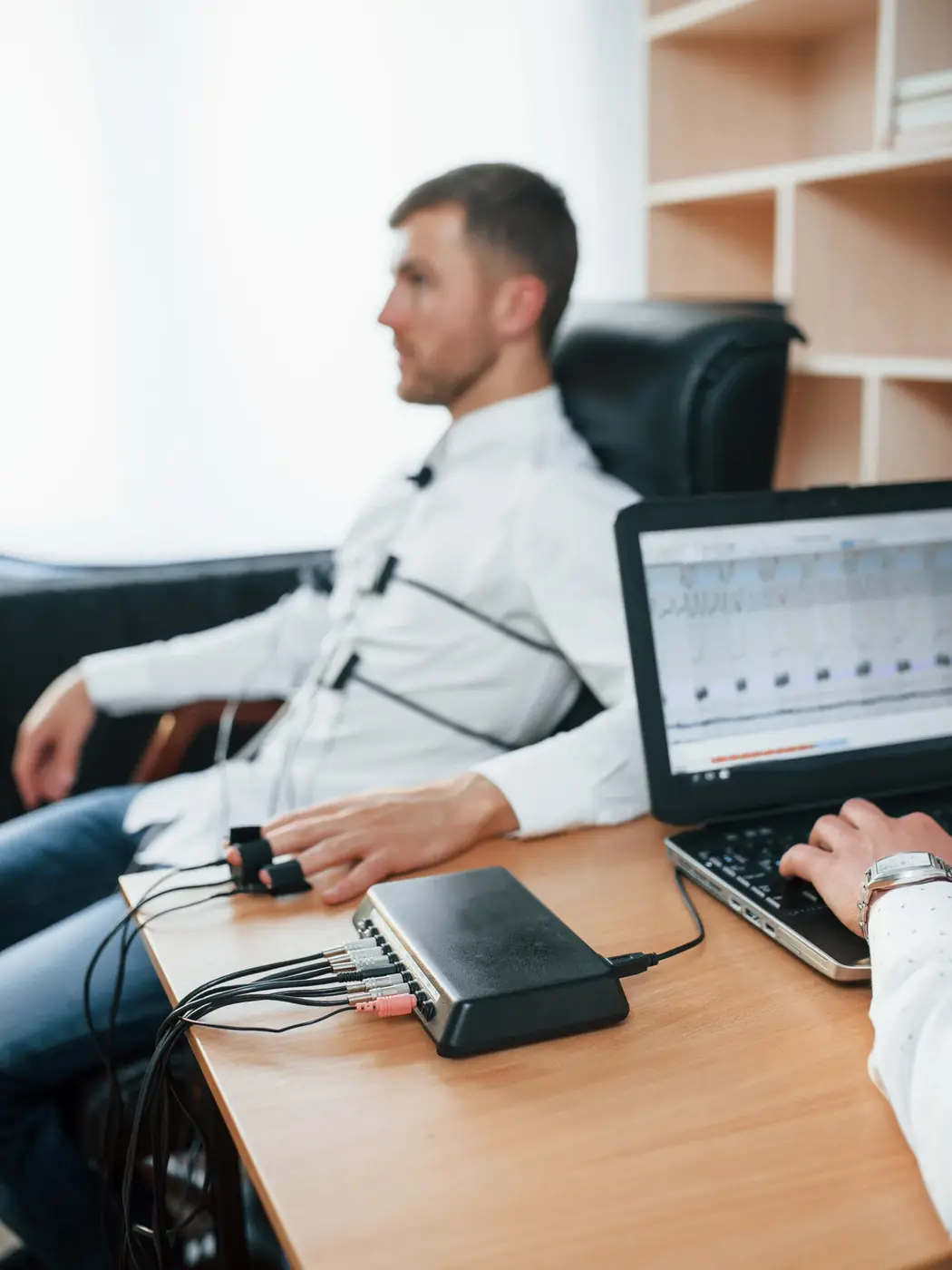
Concussions often dysregulate the autonomic nervous system, contributing to symptoms like fatigue, headaches, and difficulty managing stress. Biofeedback and heart rate variability (HRV) training help restore balance to these systems, supporting your body’s natural recovery process.
Psychodiagnostic Assessment
When concussion symptoms overlap with anxiety, depression, or cognitive difficulties, a comprehensive assessment can help untangle what’s driving your challenges. This clarity ensures that your treatment plan addresses the full picture — not just the most obvious symptoms.

“Your brain has a remarkable capacity to heal. With the right tools and support, recovery is a process we’re here to guide you through.”
Concussion Recovery for All Ages
Who We Help
Concussions can happen to anyone — from athletes to accident survivors. We provide specialized support tailored to the unique needs of each individual.
Athletes
From youth sports to competitive and professional levels, we help athletes recover fully and safely. Our approach includes detailed brain mapping, targeted neurofeedback, and guidance on return-to-play readiness.
Adults
Whether your concussion resulted from a car accident, a fall, or a workplace incident, we help you address lingering symptoms like brain fog, headaches, and fatigue so you can return to your daily life with confidence.
Children & Teens
Young brains are still developing, and concussion recovery requires a careful, individualized approach. We work with families to support safe recovery, return-to-school planning, and long-term brain health.
What to Expect
Your First Steps
If you’re navigating concussion recovery, here’s how we support you at our Ottawa clinics.
Initial Consultation
We begin with a conversation about your injury, symptoms, and recovery so far. This helps us understand the full picture and determine the most appropriate next steps.
qEEG Brain Mapping
A quantitative EEG provides a detailed view of your brain’s electrical activity, identifying the specific areas and patterns affected by your concussion.
Personalized Recovery Plan
Based on your brain map and clinical assessment, we develop a targeted plan — typically involving neurofeedback, biofeedback, or HRV training — designed for your specific injury.
Ongoing Monitoring & Progress
We track your progress throughout treatment, using follow-up brain maps and symptom assessments to ensure your recovery is on track and adjust the plan as needed.
Services That Can Help
Related Services
Depending on your needs, you may benefit from one or more of these services.
Neurofeedback
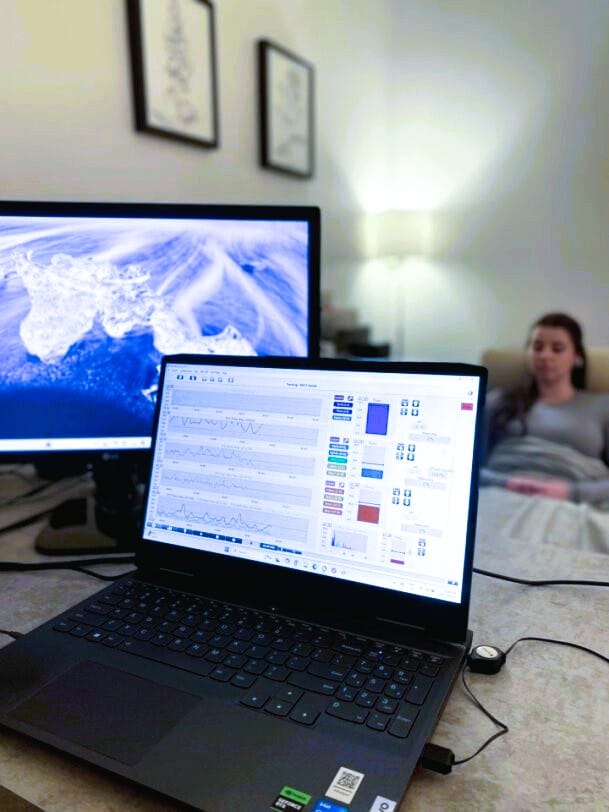
Brain-based training guided by qEEG that targets the neural patterns disrupted by concussion.
Learn More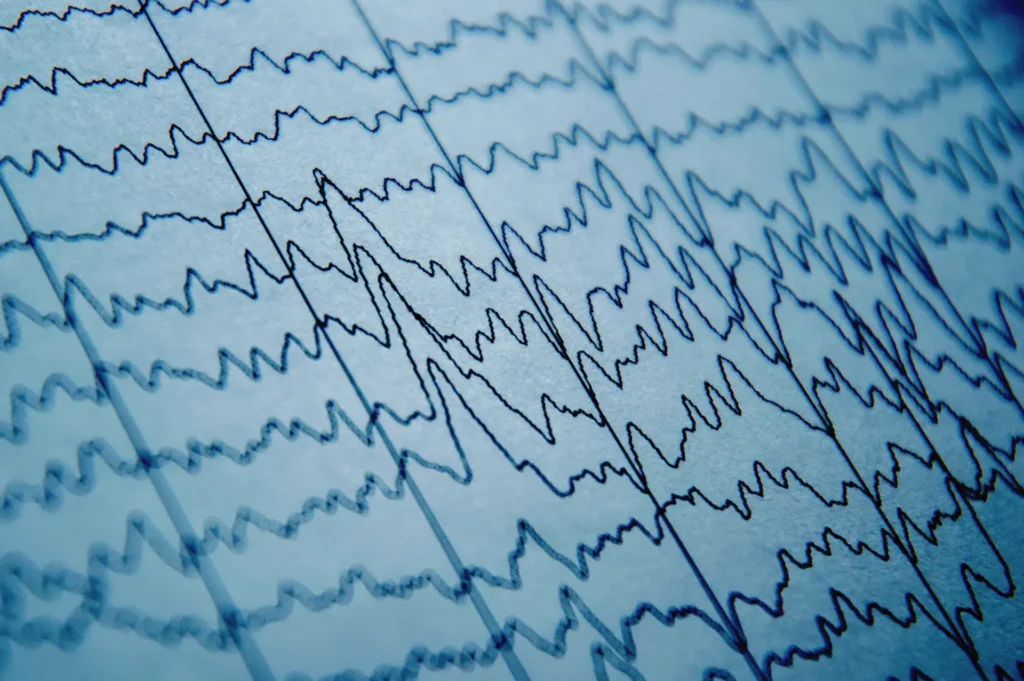
qEEG Brain Mapping
A detailed map of brain activity that identifies areas affected by concussion and guides treatment planning.
Learn More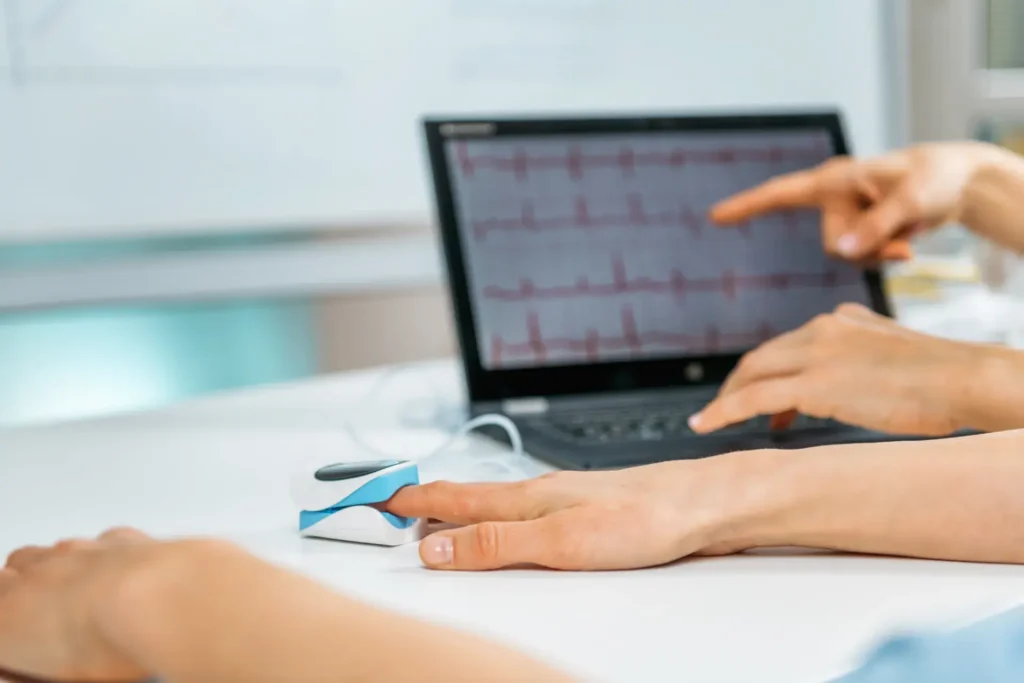
Biofeedback
Physiological training that supports nervous system recovery and helps manage persistent concussion symptoms.
Learn MoreFrequently Asked Questions About Concussion
Common Questions
Concussion symptoms can include headaches, dizziness, difficulty concentrating, memory problems, sensitivity to light or noise, fatigue, mood changes, and sleep disturbances. Symptoms may appear immediately after the injury or develop over the following hours or days. If you suspect a concussion, it’s important to seek medical attention promptly.
Post-concussion syndrome (PCS) occurs when concussion symptoms persist beyond the typical recovery period — usually longer than four weeks. Symptoms may include ongoing headaches, cognitive fog, fatigue, emotional changes, and difficulty returning to work or school. PCS can be frustrating, but targeted treatment can make a meaningful difference in recovery.
Most mild concussions resolve within two to four weeks with appropriate rest and a gradual return to activity. However, some individuals — particularly those with a history of multiple concussions or co-occurring conditions — may experience symptoms for months or longer. A personalized treatment plan can help accelerate and support the recovery process.
Concussions can disrupt normal brainwave patterns, contributing to symptoms like brain fog, attention difficulties, and emotional dysregulation. Neurofeedback trains the brain to restore healthier patterns of activity. At our clinic, this process is guided by qEEG brain mapping to ensure the training is targeted to your specific needs.
Yes. Our approach to concussion recovery emphasizes non-pharmacological interventions such as neurofeedback, biofeedback, and HRV training. These evidence-based approaches support the brain and nervous system’s natural healing processes without the use of medication.
Yes. We work with athletes of all ages and levels, from youth sports to competitive and professional settings. Our approach includes comprehensive assessment, targeted brain-based interventions, and guidance on safe return-to-play decisions.
Session fees vary by clinician and service type. Many extended health benefit plans cover services provided by registered psychologists, psychotherapists, and social workers. We recommend checking with your insurance provider to confirm your coverage. We’re happy to provide documentation for insurance submissions.

Ready to Start Your Recovery?
If concussion symptoms are holding you back, you don’t have to wait for them to resolve on their own. Our brain-based approach can help you get back to feeling like yourself.
Contact us to learn more about concussion recovery at our Ottawa clinics.