
Psychological Assessments
QEEG Brain Mapping in Ottawa
Non-invasive quantitative EEG analysis that reveals how your brain functions. Our detailed brain maps guide individualized treatment planning for ADHD, anxiety, depression, PTSD, concussion recovery, and many more clinical concerns — providing objective data where it matters most.

Understanding Brain Mapping
What Is QEEG Brain Mapping?
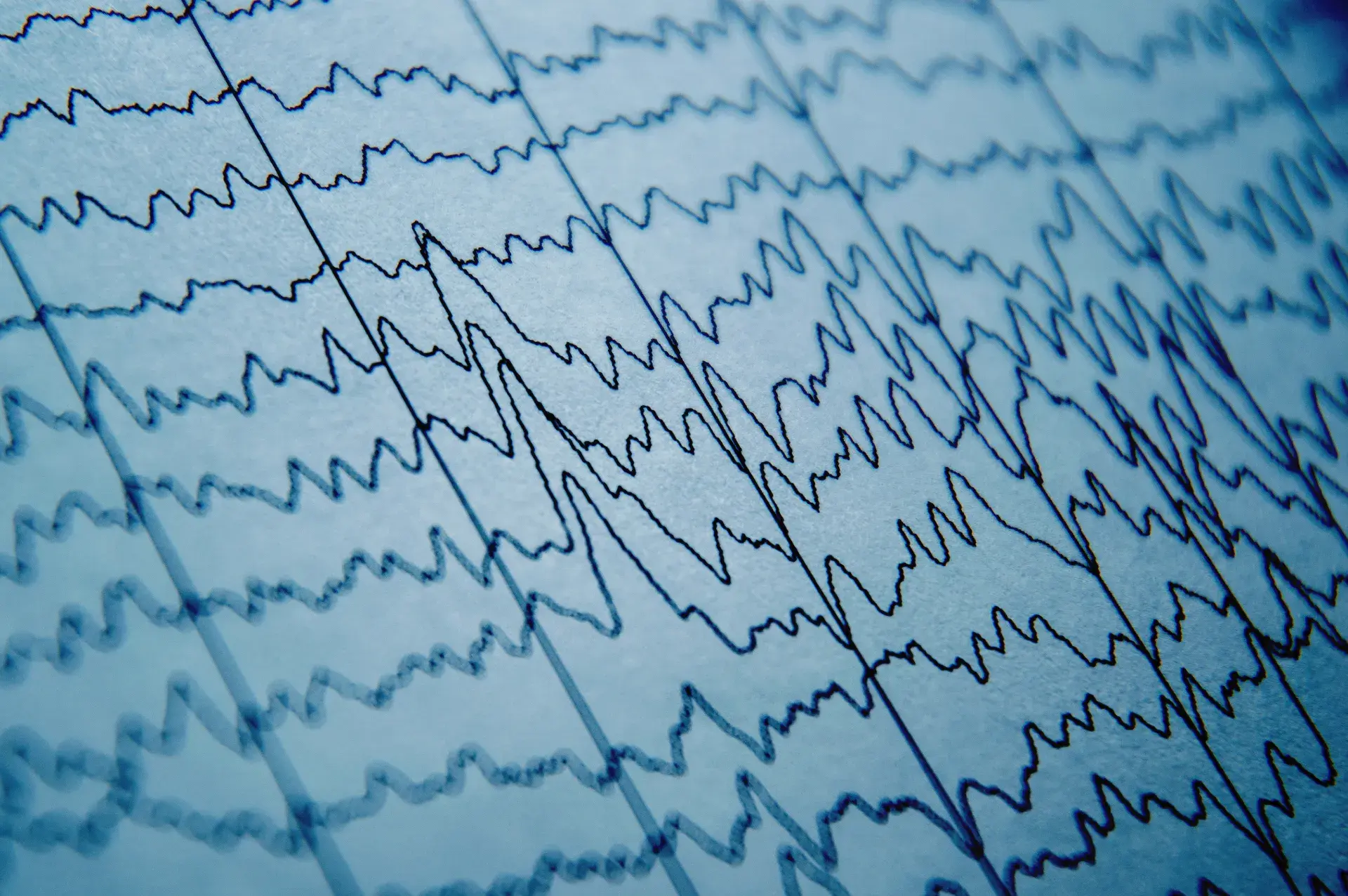
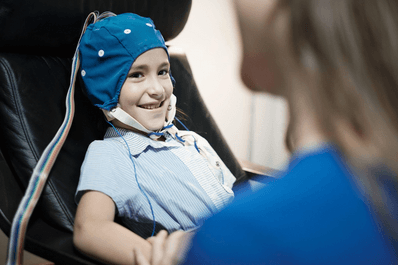
Quantitative EEG brain mapping is a non-invasive assessment that measures and analyses the electrical activity produced by your brain. Using a cap with 19 sensors placed on the scalp, the EEG records brainwave patterns across multiple regions, providing a comprehensive picture of how your brain is functioning in real time.
The “quantitative” aspect is what sets a QEEG apart from a standard clinical EEG. Your recorded data is compared against age- and gender-matched normative databases, identifying areas where brain activity may differ from typical patterns. These differences can be associated with conditions such as ADHD, anxiety, depression, PTSD, and concussion-related difficulties.
At Stradwick Clinic, the QEEG forms part of our foundation for evidence-based treatment planning for our neurofeedback services. Brain mapping provides detailed information that assists clinicians in selecting individualized neurofeedback protocols, while simultaneously providing an objective baseline assessment that assists in tracking progress across treatment.
Who Can Benefit from Brain Mapping?
Who We Help
QEEG brain mapping is appropriate for individuals of all ages who want objective information about brain function to guide treatment decisions.
Children & Adolescents
QEEG brain mapping can help identify patterns associated with attention difficulties, learning challenges, anxiety, or behavioural concerns in young people. The results guide families and clinicians in selecting the most appropriate interventions, including neurofeedback protocols tailored to your child’s unique brain profile.
Adults
Adults seeking clarity about persistent difficulties with focus, mood regulation, sleep, or cognitive performance can benefit from brain mapping. Whether you are exploring options for ADHD, depression, anxiety, or post-concussion symptoms, a QEEG provides objective data to support clinical decision-making.
Conditions commonly assessed with QEEG: Brain mapping is frequently used to inform treatment for ADHD, anxiety disorders, depression, PTSD and trauma-related difficulties, post-concussion syndrome, sleep disturbances, and individuals pursuing peak cognitive performance. Our article on qEEG brain mapping and treatment-resistant depression gives one example of how it may inform care.
What the Brain Mapping Process Involves
The Process
The QEEG process is comfortable, straightforward, and designed to provide you with the most accurate and clinically useful information possible.
Initial Consultation
Your clinician reviews your history, current concerns, and goals for brain mapping. This conversation helps ensure the QEEG is tailored to your clinical needs and provides meaningful data.
EEG Cap Placement
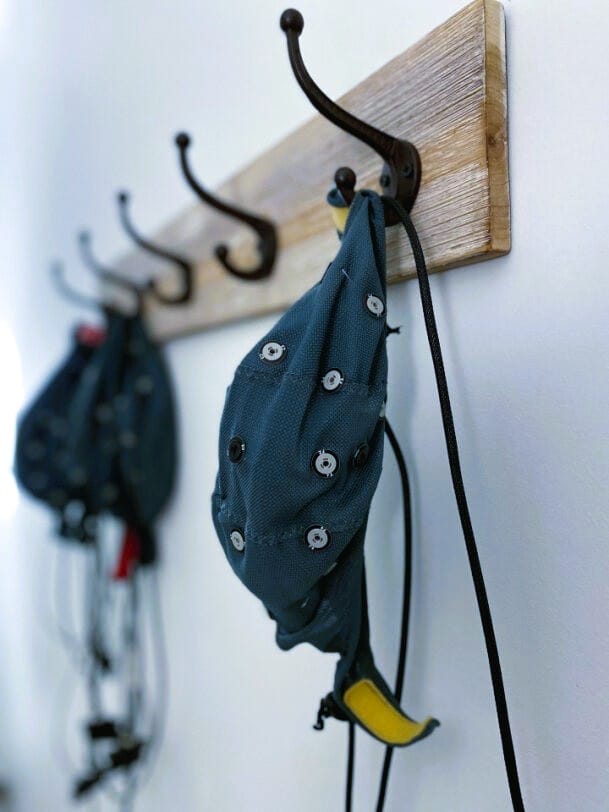
A comfortable, non-invasive cap with 19 sensors is placed on your scalp. Each sensor is carefully positioned according to the international 10-20 system to ensure accurate and standardized recording across all brain regions.
Brain Activity Recording
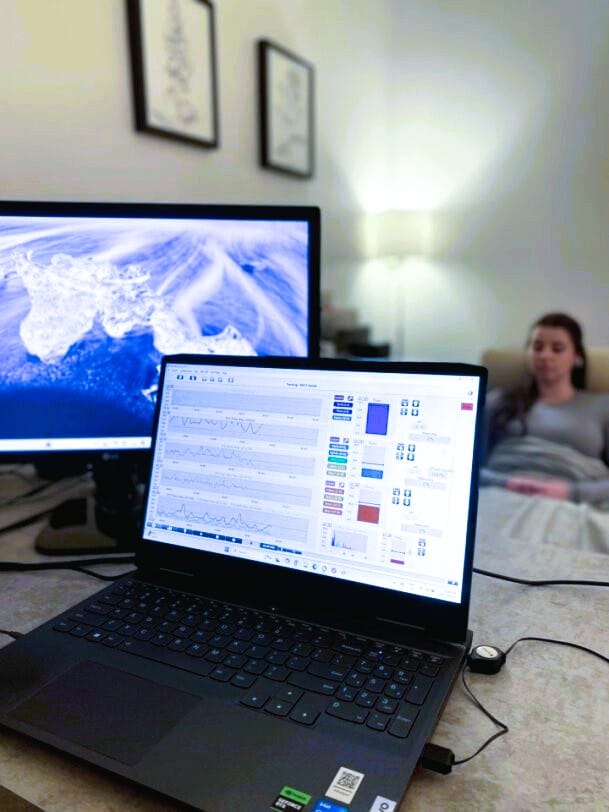
You sit comfortably while the EEG records your brain’s electrical activity during both eyes-open and eyes-closed conditions. The recording typically takes 30 to 45 minutes and involves no discomfort or stimulation.
Artifact Removal & Processing
Raw EEG data is processed by trained professionals, and processed data undergoes statistical analyses in comparison to a normative database. This ensures the analysis reflects genuine brain activity.
Quantitative Analysis
Your cleaned EEG data is compared against age- and gender-matched normative databases. This quantitative analysis identifies patterns of over- or under-activation, connectivity differences, and other markers relevant to your clinical presentation.
Report & Clinical Interpretation
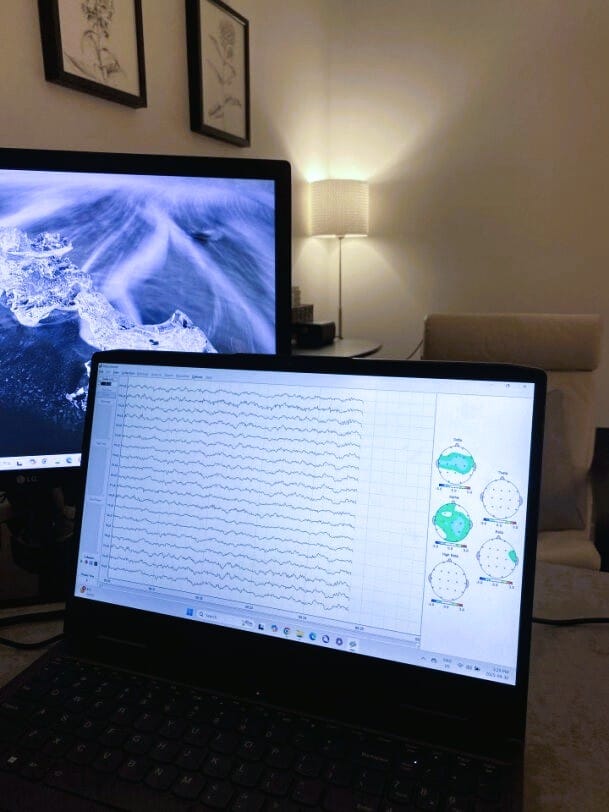
You will receive a report with colour-coded brain maps. A feedback session with your clinician will explain these results and how they inform treatment planning. A comprehensive report with colour-coded brain maps and an interpretative summary of the findings can also be provided for an additional fee.
“Seeing how your brain actually functions changes the conversation from guessing to knowing.”
Timeline & What You Receive
Your Report
Timeline
The brain mapping process includes:
- Initial consultation and preparation
- EEG recording session (approximately 60 minutes)
- Data processing, artifact removal, and quantitative analysis
- Feedback session to review your brain maps and discuss next steps
Your Brain Map Report Includes
Colour-coded topographic brain maps showing activity across all regions
Comparison of your brain activity to age- and gender-matched norms
Analysis of brainwave frequencies (delta, theta, alpha, beta, high beta)
Identification of patterns associated with specific conditions
Connectivity and coherence analysis between brain regions
Summary with clinical interpretation and treatment recommendations
QEEG Brain Mapping Cost and Coverage
Fees & Insurance
We believe in being upfront about what a brain map costs, how insurance works, and how to plan for it.
Cost
A QEEG assessment with a full written report is $750. If you would like a brain map without the written report, the cost is $470. When a QEEG is completed to support an ADHD assessment, the version with the report is required.
Insurance
Most extended health benefit plans cover psychological services, which include assessments. We do not direct bill, so you would pay the invoice and submit it to your insurance provider for reimbursement. We recommend contacting your insurer before you begin, to confirm your coverage and your annual limit.
Our services are not covered by OHIP.
Wait Times
There is typically no wait list for a QEEG. Appointments can usually be scheduled within the same week or the following week.
How Your Results May Be Used
After Brain Mapping
A QEEG brain map provides actionable information that supports multiple aspects of your care, from treatment planning to progress monitoring.
Neurofeedback Treatment Planning
QEEG results provide the foundation for individualized neurofeedback protocols. Rather than using a one-size-fits-all approach, your brain map allows clinicians to target specific areas and frequencies that will benefit you most.
Diagnostic Support
While a QEEG alone does not provide a diagnosis, the patterns identified can support clinical assessment for conditions such as ADHD, anxiety, depression, PTSD, and concussion-related difficulties.
Treatment Monitoring
Repeat brain mapping at intervals during treatment provides objective evidence of how your brain is responding to interventions, allowing clinicians to adjust protocols and track meaningful progress over time.
Medication Guidance
For individuals considering or currently taking medication, QEEG findings can offer additional information to support conversations with prescribing physicians about medication selection and response.
How This Fits With Other Services
Related Services
QEEG brain mapping is one of the first steps in our QEEG-guided approach to neurofeedback. These related services complement brain mapping findings.
Neurofeedback
QEEG brain mapping is one of the first steps in our QEEG-guided approach to neurofeedback.
Learn More
ADHD Assessment
Comprehensive psychological assessment for attention-deficit/hyperactivity disorder in children and adults.
Learn More
Psychodiagnostic Assessment
In-depth psychological evaluation for broader diagnostic clarity across mental health conditions.
Learn MoreFrequently Asked Questions
Common Questions
QEEG (Quantitative Electroencephalography) brain mapping is a non-invasive assessment that records and measures your brain’s electrical activity. Sensors placed on the scalp measure brainwave activity, which is then compared to normative databases to identify areas of over- or under-activation. The result is a detailed map of brain function that informs clinical decision-making and treatment planning for ADHD, anxiety, depression, PTSD, concussion recovery, and many more clinical concerns.
Yes. QEEG brain mapping is completely non-invasive and involves no radiation, injections, or stimulation of any kind. The EEG simply records the electrical activity your brain is already producing. The process is comfortable and suitable for children, adolescents, and adults.
The recording session typically takes approximately 60 minutes, including cap placement.
A QEEG does not provide a standalone diagnosis. However, the patterns it reveals can support and inform clinical assessment for ADHD, anxiety, depression, PTSD, and other conditions. At our Ottawa clinics, brain mapping is often used alongside comprehensive psychological assessment for a fuller clinical picture.
QEEG brain mapping is not covered by OHIP. However, many extended health insurance plans provide coverage for services delivered by registered psychologists or psychological associates. We recommend checking with your insurance provider about your specific plan.
No referral is required for getting started with neurofeedback. Most clients benefit from starting with a free 15-minute consultation to ensure neurofeedback is an appropriate fit for them, and to ask any questions they may have prior to booking an intake session.
An EEG looks at raw electrical brainwave activity, whereas the QEEG takes this data and compares it to a normative database in order to quantify activity and identify functional differences between the two.

Ready to See How Your Brain Functions?
QEEG brain mapping provides the objective data needed to guide effective, individualized treatment. Contact our Ottawa clinics to learn more or schedule your session.
No referral required. We welcome self-referrals and professional referrals alike.