
Treatment Interventions
Neurofeedback in Ottawa
Personalized brain training guided by QEEG brain mapping. Our Ottawa clinics offer neurofeedback for ADHD, anxiety, depression, concussion recovery, peak performance and more.
Understanding the Approach
What Is Neurofeedback?
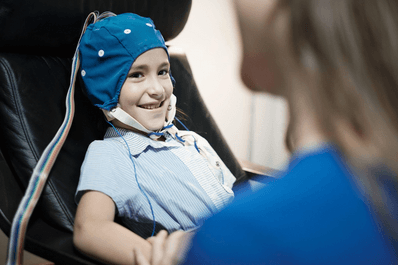
Neurofeedback — also known as neurotherapy or EEG biofeedback — is a specialized form of brain training that uses real-time brainwave monitoring to help the brain learn more efficient patterns of functioning.
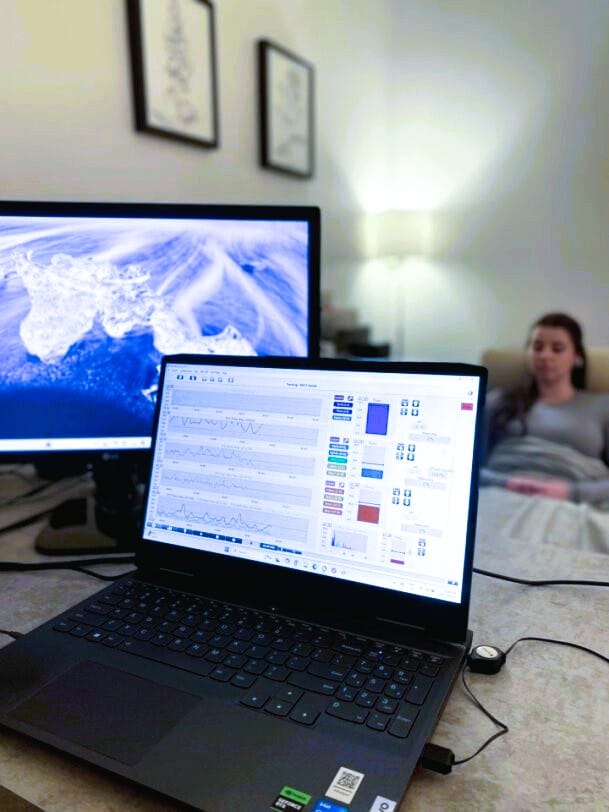
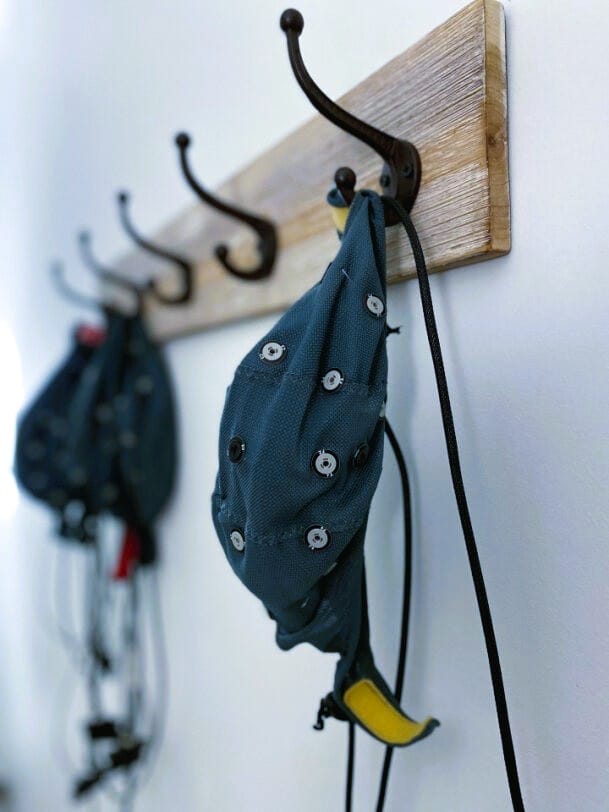
During a session, sensors are placed on the scalp to measure electrical activity across different regions of the brain. This data is displayed on a screen in real time, and the system provides feedback — often through visual or auditory cues — that encourages the brain to shift toward healthier, more balanced patterns.
Neurofeedback targets the central nervous system, building on principles of operant conditioning, self-regulation, and neuroplasticity to encourage the brain to produce more adaptive patterns of activity. Over time, these new patterns can become more stable, which may support improvements in attention, mood, sleep, and overall cognitive function.
Who Is Neurofeedback For?
Who We Help
Neurofeedback training can benefit a wide range of individuals — from those managing clinical concerns to those pursuing cognitive optimization. For more background, see our articles on non-medication treatment options for ADHD and neurofeedback as an option for treatment-resistant depression.
Adults
Whether you’re managing anxiety or depression, recovering from concussion, or looking to sharpen focus and mental clarity, neurofeedback training offers a non-invasive option that may support your goals.
Children & Adolescents
For young people dealing with ADHD and other attention difficulties, emotional dysregulation, or learning challenges, neurofeedback provides a medication-free option that works with the brain’s natural capacity to adapt.
Peak Performers
Athletes, professionals, and students seeking to optimize cognitive performance can use neurofeedback to enhance concentration, stress resilience, and mental stamina.
How Neurofeedback Training Works
The Process
Our approach to neurofeedback is guided by data and tailored to your individual brain. Here’s what the process looks like from start to finish.
Free 15-Minute Consultation
A free 15-minute consultation to determine whether neurofeedback is the right fit for you, and ask any questions before getting started.
Initial Intake
We begin with a thorough intake to understand your concerns, goals, and history. This conversation helps us determine the best approach and what protocols may be most effective.
QEEG Brain Mapping
A quantitative EEG assessment records your brain’s electrical activity, creating a detailed map of how different regions are functioning. This data forms the foundation of your personalized training plan.
Protocol Development
Your clinician analyzes your brain map alongside your clinical profile to design a training protocol that targets the specific patterns contributing to your symptoms or performance goals. Subjective and objective measures are established for tracking progress.
Training Sessions
During each session, sensors are placed on your scalp to monitor brainwave activity in real time. You’ll watch a visual display or listen to audio cues that respond to your brain’s activity, reinforcing healthier patterns.
Progress Monitoring & Integration
We track your progress through regular check-ins and periodic reassessments. Training protocols are adjusted as your brain responds and your symptoms shift. Changes become solidified alongside learning; we assess and progressively reduce session frequency while monitoring to ensure the brain is maintaining changes as we do so.

“Neurofeedback doesn’t change who you are — it helps your brain work the way it’s meant to.”
— Clinical Team, Stradwick & Associates
Session Format & Training Experience
What to Expect
Neurofeedback sessions are comfortable, non-invasive, and designed to fit into your routine. Here’s what a typical training experience looks like.
During Your Session
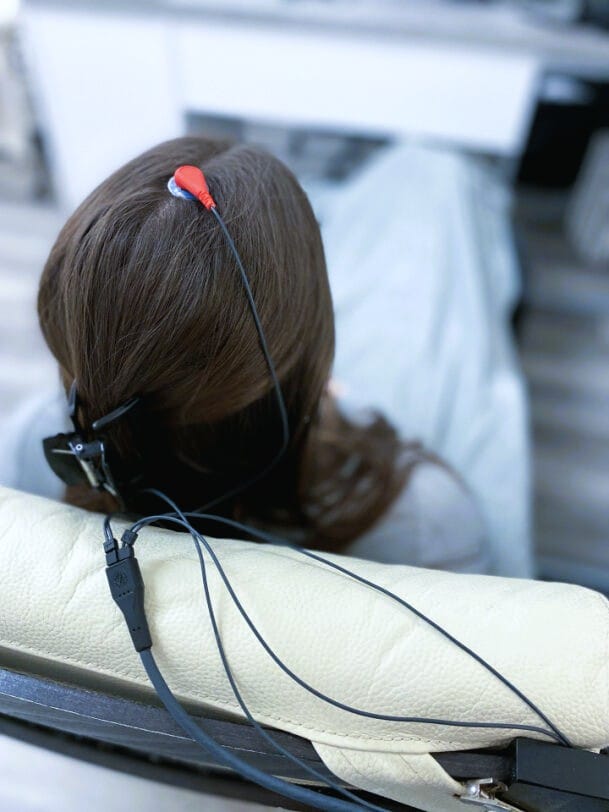
Each session lasts approximately 30 to 60 minutes. Sensors are gently placed on your scalp — there’s no discomfort or electrical stimulation involved. You’ll sit comfortably while watching a screen or listening to audio that responds to your brainwave activity in real time.
Non-invasive sensors monitor brainwave activity
Real-time visual or audio feedback guides training
Comfortable, relaxed environment throughout
No medication or electrical stimulation involved
Tracking Your Progress
Regular symptom tracking and clinician check-ins
Periodic QEEG reassessments to measure change
Protocol adjustments based on brain response
Clear communication about progress and next steps

How Neurofeedback Helps
Benefits
Neurofeedback addresses the underlying neural patterns contributing to symptoms — not just the symptoms themselves. This is why it is often used as one part of a broader treatment plan.
Improved Attention & Focus
Training helps strengthen sustained attention and reduce distractibility, supporting better performance at school, work, and daily life.
Emotional Regulation
By targeting the brain regions involved in mood and stress response, neurofeedback helps build greater emotional stability and resilience.
Better Sleep Quality
Many clients experience improved sleep patterns as the brain learns to transition more smoothly between states of activation and rest.
Cognitive Clarity
Neurofeedback can reduce brain fog and support clearer thinking, particularly for those recovering from concussion or managing chronic stress.
How This Fits With Other Services
Related Services
Neurofeedback is often integrated into a broader clinical approach. These complementary services support a comprehensive treatment plan.
Biofeedback
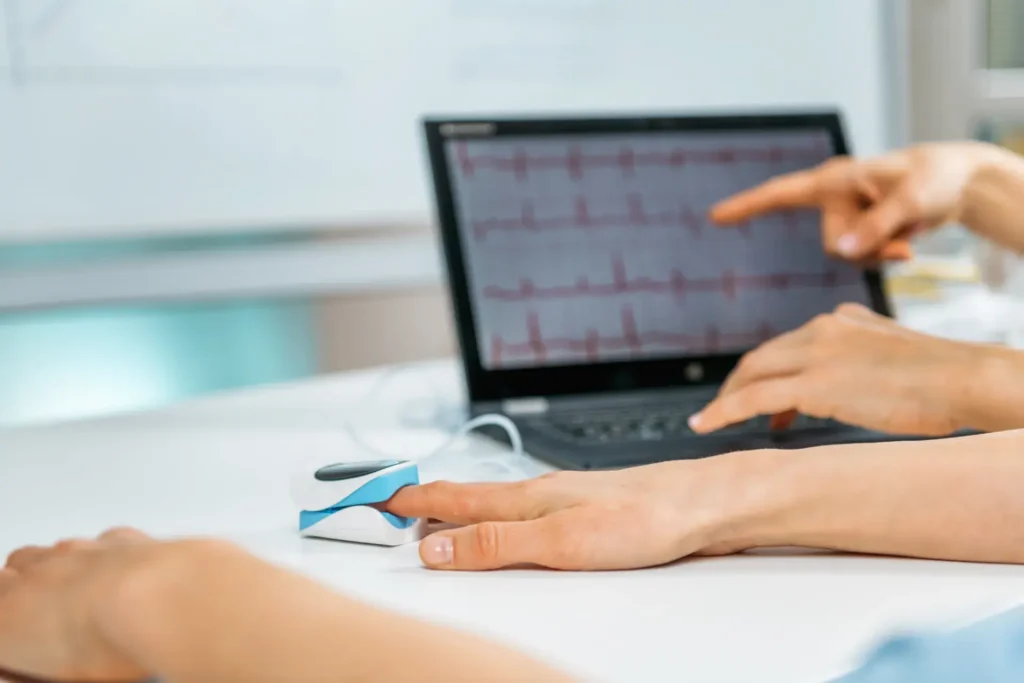
Complementary body-based training that works alongside neurofeedback to support whole-person regulation.
Learn More
HRV Training
Heart rate variability training that strengthens the connection between autonomic regulation and cognitive function.
Learn More
Psychotherapy
Neurofeedback can be easily integrated with other modalities — they often complement each other well and may support one another.
Learn MoreFrequently Asked Questions About Neurofeedback
Common Questions
Neurofeedback — sometimes called neurotherapy — is a form of biofeedback that uses real-time monitoring of brain activity to help you learn to regulate neural patterns. Sensors placed on the scalp detect brainwave activity, and a computer provides immediate feedback through visual or audio cues. Over time, the brain learns to produce more efficient patterns, leading to improvements in attention, mood, sleep, and self-regulation.
Yes. Neurofeedback is non-invasive and does not involve any electrical stimulation — it simply reads your brain’s existing activity and provides feedback. Side effects are rare and typically mild, such as temporary fatigue after a session. It is considered safe for both children and adults when administered by a trained clinician.
Most clients complete between 40 and 60 sessions, though this varies depending on the complexity of the concerns being addressed. Some people notice changes within the first 10 sessions, while others may need more time. Your clinician will discuss a recommended treatment timeline based on your brain map and goals. We strongly recommend a QEEG assessment before beginning neurofeedback.
Research suggests neurofeedback may support improvements in sustained attention, impulse control, and executive functioning for individuals with ADHD. Many families choose neurofeedback as a complement to or alternative for medication-based approaches.
Neurofeedback is not covered by OHIP. However, when delivered by a registered psychologist or supervised by one, sessions may be covered under extended health benefits for psychological services. We recommend checking with your insurance provider to confirm your specific coverage.
Neurofeedback has been used to support individuals with ADHD, anxiety, depression, PTSD, concussion recovery, sleep difficulties, learning challenges, and more. It is also used for peak performance training by athletes and professionals. The evidence base continues to grow across a wide range of neurological and psychological concerns.
Emerging research suggests neurofeedback may be a helpful adjunct for some individuals experiencing depression, particularly when standard approaches have not been fully effective. At our clinic, neurofeedback is offered as part of a comprehensive approach and is tailored to each individual’s neurological profile through qEEG brain mapping.
Ready to Train Your Brain?
Our Ottawa clinics offer personalized neurofeedback programs guided by QEEG brain mapping. Whether you’re managing a specific concern or pursuing peak performance, we’re here to help.
Contact us to learn more about how neurofeedback training can support your goals.