
If you have been researching treatment options for attention difficulties, anxiety, depression, trauma, or other mental health concerns, you may have come across neurofeedback as a potential approach. Perhaps you’re a parent seeking alternatives for a child who has not responded well to medication, an adult exploring non-pharmaceutical options for persistent anxiety, or someone recovering from a concussion who wants to support brain health. Whatever brought you here, you likely want to understand what neurofeedback actually involves, whether it might help your specific situation, and what to expect if you pursue it in Ottawa. In this article, we explain the fundamentals of neurofeedback, describe how sessions work, discuss conditions it may address, outline realistic expectations for treatment duration and cost, and help you determine whether this approach is worth exploring further.
This article is not for those seeking a quick fix or a guaranteed cure. Neurofeedback is a training process that requires commitment, and outcomes vary by individual. If you are experiencing a mental health crisis, suicidal thoughts, or severe symptoms, please contact emergency services or a crisis line immediately.
What Neurofeedback Is and How It Differs from Other Brain Training Approaches
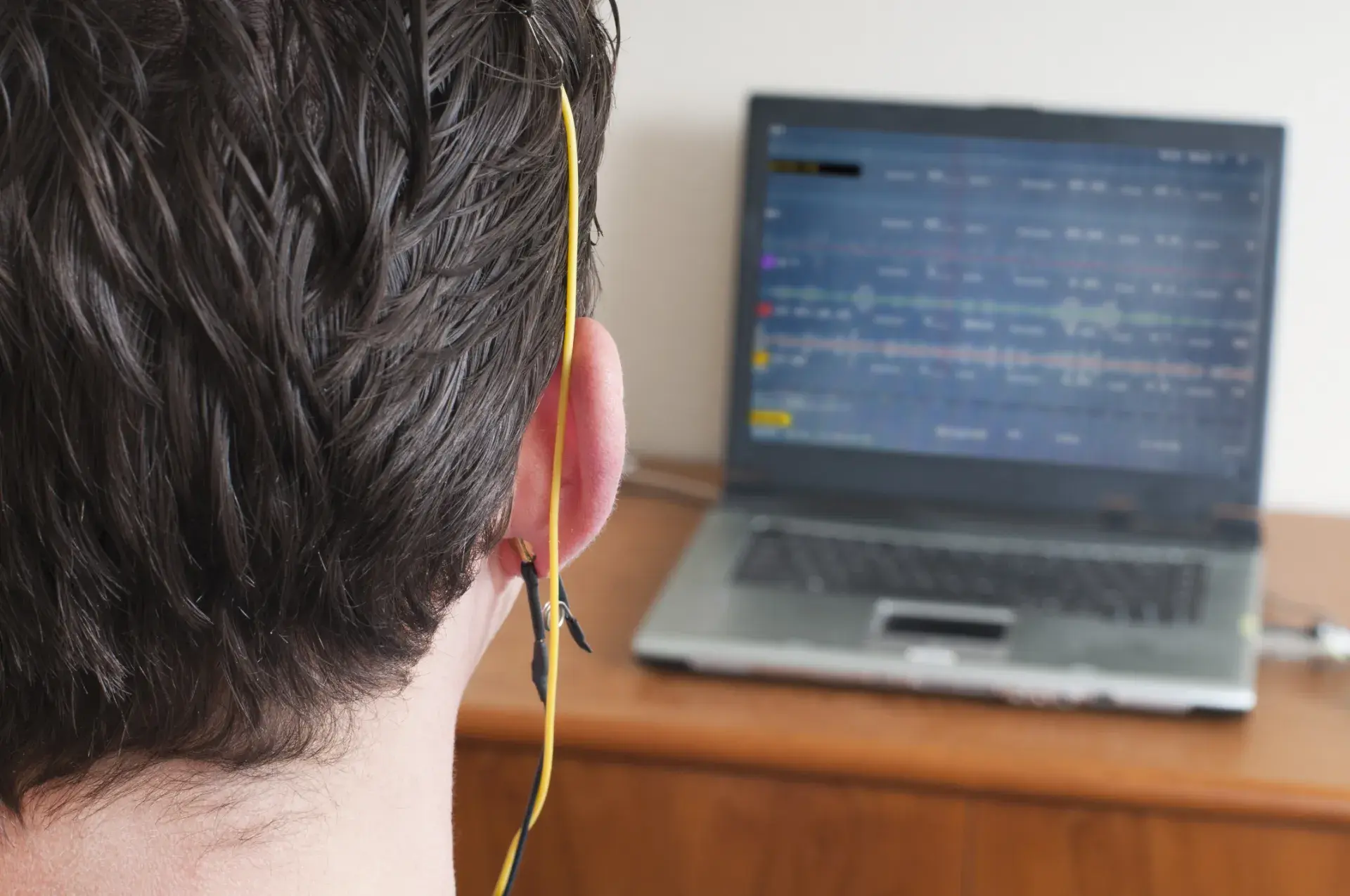
EEG neurofeedback is a form of biofeedback that uses electroencephalography (EEG) to measure electrical activity in the brain and provide real-time feedback in the form of visual cues. During a Neurofeedback session, sensors placed on the scalp detect electrical signals produced by brain activity. These signals are processed by specialized software and converted into feedback—often a video, game, or sound that changes in coordination with your brain activity. When your brain produces patterns associated with the training goal, the feedback continues smoothly, and when activity veers outside desired parameters, additional feedback offers a signal to the brain to discourage this activity.
This process is passive in some ways—sensors only record activity, they do not send any electricity into your brain. However, the learning that occurs is active. Over repeated sessions, your brain begins to recognize and reproduce the patterns associated with positive feedback, gradually building new regulatory habits.
Key Distinctions
- Neurofeedback versus general biofeedback: While biofeedback may measure heart rate, muscle tension, breathing, or skin temperature, neurofeedback focuses specifically on brain electrical activity. Neurofeedback is technically a form of biofeedback.
- Neurofeedback versus brain stimulation: Neurofeedback does not involve transcranial magnetic stimulation (TMS), transcranial direct current stimulation (tDCS), or any form of electrical input. It is purely a measurement and feedback system.
The Science Behind Neurofeedback: Operant Conditioning and Neuroplasticity
Neurofeedback is grounded in several well-established scientific principles: operant conditioning and neuroplasticity.
Operant conditioning is a learning process where behaviour is shaped by consequences. When the brain produces activity patterns associated with the training goal, the feedback serves as immediate reinforcement. Over time, the brain learns to favour those patterns because they produce a rewarding response. This is similar to how we learn other skills—through practice and feedback—except the “skill” being trained is the brain’s own electrical activity.
Neuroplasticity refers to the brain’s ability to form new neural connections and reorganize existing ones throughout life. Repeated neurofeedback training takes advantage of this capacity, encouraging the brain to establish and strengthen pathways associated with healthier regulation. Research in this area, supported by organizations such as the International Society for Neuroregulation & Research, continues to explore how this learning translates into lasting improvements.
Conditions Neurofeedback May Help Address
Neurofeedback has been studied for a range of conditions, with varying levels of evidence. At our clinic, we commonly see clients pursuing neurofeedback for:
ADHD
Attention-deficit/hyperactivity disorder is one of the most researched applications of neurofeedback. Training protocols typically aim to reduce slower brain activity associated with inattention and reinforce faster activity linked to focus and alertness. Neurofeedback is best considered as one component of a comprehensive ADHD management plan that may include behavioural strategies, educational accommodations, and, when appropriate, medication.
Anxiety
For individuals with anxiety disorders, neurofeedback may support the brain’s ability to shift out of heightened stress states. Training often targets patterns associated with overactivation of the nervous system.
PTSD and Trauma
Trauma-related conditions involve dysregulated stress responses and difficulty with emotional regulation. Neurofeedback may help some individuals develop greater capacity for self-regulation, potentially supporting recovery alongside trauma-focused therapies. Current clinical guidelines for PTSD continue to prioritize evidence-based psychotherapies such as Prolonged Exposure, Cognitive Processing Therapy, and EMDR, with neurofeedback serving as a potential complement.
Concussion and Post-Concussion Symptoms
For those experiencing lingering symptoms after a concussion—such as difficulty concentrating, fatigue, or emotional changes—neurofeedback may offer support as part of a broader rehabilitation approach. However, it is essential to have proper medical assessment before pursuing neurofeedback for concussion recovery. Neurofeedback cannot diagnose a concussion and should not delay appropriate medical care.
Other Applications
Neurofeedback has also been explored for depression, sleep disturbances, OCD, autism-related challenges, and peak and optimal performance training. We discuss specific applications during consultation to ensure the approach matches your goals and circumstances.
The Neurofeedback Process at Our Clinic: From Assessment to Training Completion
When you pursue neurofeedback at Stradwick Psychology and Neurofeedback Clinic, you are not starting a generic program. Our approach involves several key stages designed to create an individualized treatment plan.
Initial Consultation
We begin with a conversation about your concerns, goals, history, and any previous treatments. This helps us understand whether neurofeedback is appropriate for your situation and, if so, what approach might be most suitable.
Intake Assessment
If neurofeedback is determined to be a suitable approach to your needs, the next step is completing a 60-minute intake assessment with a clinician to gather background information and collaboratively identify goals for treatment planning purposes.
qEEG Brain Mapping
Our clinic takes a QEEG-based approach to neurofeedback, meaning we acquire a qEEG before beginning any training. This non-invasive assessment records brain electrical activity using a 19-sensor cap and compares the data against age- and gender-matched normative databases, and provides information about the brain’s state prior to attempting to change it. The resulting brain maps help identify patterns that may be contributing to your symptoms and guide protocol selection. Further, it provides a baseline objective measure that can be re-assessed after completion of neurofeedback sessions.
It is important to understand that a qEEG brain map is not a diagnostic test. It does not diagnose ADHD, depression, or any other condition on its own. Rather, it provides information that, combined with clinical assessment, helps us develop neurofeedback treatment protocols tailored to your specific brain activity patterns.
Personalized Protocol Development
Based on your qEEG results and clinical presentation, we select training protocols that target the specific brain regions and frequency patterns most relevant to your goals. This individualized approach distinguishes qEEG-guided neurofeedback from one-size-fits-all programs.
Training Phase
Training involves regular sessions over several weeks or months. We use validated symptom measures to track progress and adjust protocols as needed. Periodic reviews allow us to evaluate whether you are responding to training and make informed decisions about continuing, modifying, or concluding treatment.
Completion and Follow-Up
Training typically concludes when goals have been met and gains appear stable. Some clients choose occasional maintenance sessions, although strong evidence for routine indefinite maintenance is limited. We compare end-of-treatment measures against your baseline to assess progress objectively.
What a Neurofeedback Session Looks and Feels Like
Many people feel uncertain about what to expect during their first session. Here is what typically happens:
- Sensor placement: Small sensors are attached to your scalp using conductive paste or gel. This is painless, although your hair may feel slightly sticky afterward.
- Comfortable seating: You sit in a comfortable chair facing a computer screen.
- Active feedback: As the session begins, you watch a movie or TV show of your choice. The display responds in real time to your brain activity. When your brain produces desired patterns of activity, the movie plays fullscreen and clearly. When the activity drifts outside the desired range, the movie becomes small and blurry. Depending on the protocol, you may simply observe passively, or you may use mental strategies to influence the feedback. Most clients find sessions relaxing rather than effortful.
- Session duration: The actual training portion typically lasts 20 to 40 minutes depending on the type of neurofeedback being facilitated. Including setup and discussion, appointments are usually 30 to 60 minutes.
Common Questions About the Experience
- Does it hurt? No. Sensors are passive—they only record activity. There is no electricity entering your brain.
- What are the side effects? Some people report temporary fatigue, headaches, or a temporary exacerbation of symptoms after sessions. These reactions typically resolve within a day or two. We actively monitor for any concerns and adjust protocols accordingly as needed.
- What if it does not work? Not everyone responds equally to neurofeedback. If progress is not evident after a reasonable trial period, we discuss alternatives.
Treatment Duration: How Many Sessions and How Long Until Results
One of the most common questions we receive concerns how long treatment takes. The honest answer is that it varies considerably by individual and condition.
Typical Parameters
- Session frequency: Most clients attend one or two sessions per week.
- Total sessions: Depending on the condition and goals, a course of treatment commonly involves 40-60 sessions. Some individuals may need fewer; others, particularly those with complex presentations, may need more.
- When changes may appear: Some clients notice shifts within 5 to 10 sessions, while others require longer training before experiencing meaningful improvements. Lasting changes often require completing a full course of training to ensure that brainwave pattern changes associated with symptom reduction have been consolidated in the EEG.
We establish measurable goals at the outset and schedule reviews to assess progress. If you are not responding after a reasonable trial—typically six to ten sessions—we discuss modifying the approach or exploring alternatives.
Neurofeedback Costs in Ottawa and Insurance Considerations
Neurofeedback is a private service not covered by OHIP. Understanding the financial commitment is an important part of decision-making.
Insurance Coverage
Some extended health benefit plans cover neurofeedback when provided by or under the supervision of a regulated health professional such as a psychologist, Registered Psychotherapist, or social worker. Coverage varies significantly between plans. We recommend:
- Contacting your insurer before starting treatment
- Requesting information about the provider designation required for reimbursement
- Submitting a sample receipt to confirm eligibility
Our administrative team can provide receipts with the appropriate professional designation and registration information.
Is Neurofeedback Right for You? Candidacy Considerations
Neurofeedback may be worth exploring if:
- You have a condition associated with dysregulated brain activity patterns
- You have not responded adequately to previous treatments or prefer non-pharmaceutical options
- You are willing and able to commit to regular sessions over several weeks or months
- You have realistic expectations about outcomes and understand that results are not guaranteed
When Neurofeedback May Complement Other Treatments
Neurofeedback often works well alongside psychotherapy, particularly for conditions involving emotional regulation, attention, or trauma. Many of our clients combine neurofeedback with CBT or other evidence-based psychotherapies to address both brain-level patterns and cognitive-behavioural factors.
Important Screening Considerations
Before beginning neurofeedback, a responsible provider screens for factors that may affect safety or suitability, including:
- History of seizures or epilepsy
- Recent significant brain injury
- Active psychosis or severe mood instability
- Current medications and their potential interactions with brain training
- Upcoming travel or relocation
- Sensory sensitivities
We conduct consultations and intake assessments to ensure neurofeedback is appropriate for each individual.
Choosing a Qualified Neurofeedback Provider in Ottawa
Not all neurofeedback services are equivalent. When evaluating providers, consider:
- Regulated professional status: Is the practitioner registered with a professional college such as the College of Psychologists and Behaviour Analysts of Ontario or the College of Registered Psychotherapists of Ontario? Regulation ensures accountability to professional standards.
- Neurofeedback-specific training: Look for certification from the Biofeedback Certification International Alliance or equivalent training, including didactic education, mentoring, and supervised clinical experience.
- Assessment and approach: Does the provider conduct a thorough clinical history and use validated measures to track progress? Do they use QEEG-guided neurofeedback, which has a higher level of empirical support?
- Protocol transparency: Can they explain which protocols they use and why?
- Realistic claims: Be cautious of providers who promise cures, guarantee results, or claim neurofeedback can replace medication without professional guidance.
At Stradwick Psychology and Neurofeedback Clinic, our clinic director is a licensed clinical psychologist and board-certified in neurofeedback by the BCIA. Our team includes registered psychologists, psychotherapists, and trained neurofeedback technicians working within the standards set by the College of Psychologists of Ontario. For more on research on neurofeedback efficacy, the ISNR provides helpful educational resources.
Our Locations in Ottawa
We offer neurofeedback services at three convenient locations:
- Nepean (Main Location): 21 Concourse Gate, Unit 12—full range of psychological assessments, psychotherapy, and neurofeedback
- Stittsville: 120 Iber Road, Suite 208—full range of services
- Centretown West: 111 Sherwood Dr, Unit 202—neurofeedback services only
Taking the Next Step
If you are curious whether neurofeedback might help with your specific concerns, we invite you to book a consultation. During this conversation, we can discuss your history, goals, and questions, and help you determine whether neurofeedback is a reasonable option for your situation. No referral is required, and we welcome both self-referrals and professional referrals.
Neurofeedback is not a quick fix or a guaranteed cure, just as with any other treatment intervention. Further, it is a training process that requires a high-level of commitment, but can yield powerful and long-lasting results. For many individuals seeking evidence-informed, non-invasive approaches to support brain health and mental well-being, it represents a valuable option worth exploring—ideally as part of an integrated, individualized care plan developed in collaboration with qualified professionals.
Please reach out through our contact page or call any of our locations to schedule a consultation. We are here to provide honest information and help you make informed decisions about your care.

Frequently Asked Questions
No. Neurofeedback uses scalp sensors to measure brain activity and provide visual or audio feedback; it does not deliver electrical stimulation.
No. qEEG mapping measures brain activity patterns to help guide an individualized protocol, but it cannot diagnose ADHD, depression, concussion, or other conditions by itself.
Most programs involve one or two sessions per week for approximately 20 to 40 sessions, although the timeline varies by individual goals and response.
Usually not. It is generally used as a complement to evidence-based psychotherapy and, when appropriate, medication, not as a guaranteed replacement.
Neurofeedback is not covered by OHIP. Some extended health plans may provide coverage depending on the provider’s designation, so confirm eligibility with your insurer before starting.