

Living with attention difficulties is challenging enough on its own. Add persistent worry, racing thoughts, or a constant sense of dread to the mix, and daily life can easily become overwhelming. If you experience both ADHD and anxiety, you are far from alone. Research consistently shows that more than two-thirds of individuals with ADHD have at least one other co-existing condition, and anxiety disorders rank among the most common. Understanding why these conditions so frequently occur together, how they influence each other, and what treatment approaches work best when both are present can help you move from confusion toward clarity and meaningful relief.
This article is not a substitute for professional assessment or diagnosis. If you are uncertain about your symptoms or have not received a formal evaluation, we recommend consulting with a registered psychologist or other qualified clinician before making treatment decisions.
Why ADHD and Anxiety So Often Occur Together
The overlap between ADHD and anxiety is not coincidental. These conditions share neurological, genetic, and experiential roots that help explain why they so frequently appear together.
Neurological Overlap
Both ADHD and anxiety involve dysregulation in brain regions responsible for attention, emotional processing, and executive function. The prefrontal cortex, which governs planning, impulse control, and working memory, shows altered activity patterns in both conditions. The amygdala, central to fear and threat detection, can become hyperactive in anxiety and may also respond atypically in ADHD. When these systems do not communicate efficiently, individuals may struggle to regulate both attention and emotional responses.
Shared Executive Function Deficits
Executive functions like working memory, impulse control, and cognitive flexibility are often impaired in ADHD. These same capacities are essential for managing worry and uncertainty. When working memory is compromised, it becomes harder to hold reassuring thoughts in mind or to interrupt anxious rumination. Difficulties with inhibition can make it harder to stop anxious thought spirals once they begin.
Secondary Anxiety from ADHD-Related Challenges
Living with ADHD means navigating repeated experiences of:
- Academic struggles and underperformance despite effort
- Social misunderstandings and relationship difficulties
- Time management failures and missed deadlines
- Criticism from teachers, employers, or family members
Over time, these experiences can create a secondary layer of anxiety. You may begin to anticipate failure, worry excessively about upcoming tasks, or avoid situations where you have previously struggled. This is not a character flaw. It is a natural response to a history of ADHD-related challenges.
Genetic Factors
Research points to shared genetic variants that influence both conditions. Certain genes affecting dopamine and adenosine signaling have been linked to increased vulnerability to both ADHD and anxiety, suggesting that for some individuals, the comorbidity may be rooted in inherited neurobiology rather than life experience alone.
How Anxiety Affects ADHD Symptoms (and Vice Versa)
ADHD and anxiety do not simply coexist. They interact in ways that can make both conditions feel more severe and more difficult to manage.
Anxiety Worsening ADHD Symptoms
Anxiety consumes a lot of cognitive resources. When your mind is preoccupied with worry, there is less capacity available for sustaining attention, organizing tasks, or managing impulses. You may notice that:
- Concentration becomes even more difficult during periods of high anxiety
- Working memory seems worse when you are stressed
- Procrastination increases because starting a task feels overwhelming
In these situations, ADHD symptoms can appear more pronounced, even if the underlying attentional difficulties have not changed.
ADHD Creating Situations That Trigger Anxiety
The reverse relationship is equally important. ADHD-related impairments frequently create situations that may trigger experiences of anxiety:
- Test-taking: Difficulty with time management and sustained focus can lead to poor preparation, which increases test anxiety. Repeated experiences of perceived failure and forgetting deadlines can heighten anxiety intensely.
- Social situations: Impulsivity may cause you to interrupt others or miss social cues, leading to worry about how you are perceived.
- Work deadlines: Executive function deficits make it harder to plan and complete projects on time, fueling anticipatory anxiety about consequences.
This bidirectional relationship can create a cycle where ADHD and anxiety reinforce each other, making it difficult to determine which condition is the primary driver of distress.
Diagnostic Challenges: Distinguishing ADHD from Anxiety
One reason many individuals with both conditions spend years without accurate diagnosis is the significant symptom overlap between ADHD and anxiety.
Overlapping Symptoms
Both conditions can produce:
- Restlessness: ADHD-related hyperactivity and anxiety-driven agitation can look similar from the outside.
- Difficulty concentrating: ADHD involves inherent attentional dysregulation, while anxiety causes concentration problems through worry and mental preoccupation.
- Sleep disturbances: Both conditions can interfere with falling asleep, staying asleep, or feeling rested.
- Irritability: Frustration from ADHD-related difficulties and tension from anxiety can both manifest as irritability.
Key Distinctions
Clinicians differentiate between the conditions by examining:
- Developmental history: ADHD symptoms typically begin in childhood and persist across contexts, while anxiety may have a later onset or be tied to specific triggers.
- Nature of concentration difficulties: In ADHD, attention problems tend to be trait-like and present regardless of emotional state. In anxiety, concentration may be more context-dependent, worsening when specific worries are activated.
- Stimulus-seeking versus avoidance: ADHD often involves seeking stimulation, novelty, or activity, while anxiety tends to drive avoidance and withdrawal.
- Response to reassurance: Anxious concentration difficulties may improve temporarily with reassurance, while ADHD-related attention problems typically do not.
Comprehensive assessment, including detailed developmental history and standardized measures, is essential for accurate diagnosis. Misattribution of anxiety-related difficulties to ADHD, or vice versa, can lead to treatments that do not fully address the clinical picture.
Treatment Considerations When Both Conditions Are Present
Effective treatment for ADHD-anxiety comorbidity requires addressing both conditions, not simply focusing on whichever appears most prominent at a given moment.
Why Integrated Treatment Matters
Treating only ADHD may leave anxiety unaddressed, allowing worry and avoidance to persist and undermine gains made in attention and executive function. Treating anxiety alone may provide temporary relief, but fail to address the underlying attentional difficulties that continue to create anxiety-provoking situations.
Integrated approaches that address both conditions, either simultaneously or in a carefully sequenced manner, tend to produce more lasting improvements and meaningful change.
Treatment Sequencing Decisions
Clinical guidelines suggest treating the most impairing condition first while remaining attentive to interactions between the two. In practice, this may mean:
- Starting with anxiety reduction when severe anxiety impairs engagement with ADHD-focused interventions
- Starting with ADHD management when attentional and executive function improvements may reduce anxiety-triggering failures
- Treating both simultaneously using interventions that address shared mechanisms
Treatment plans should remain flexible. As symptoms shift and life circumstances change, the balance between anxiety-focused and ADHD-focused interventions may need to be adjusted.
Medication Interactions: Stimulants and Anxiety
A common concern among individuals with both ADHD and anxiety is that stimulant medications may worsen anxiety symptoms. While detailed medication management is outside the scope of this article, it is worth acknowledging this concern as context for why some individuals seek alternative approaches.
Research shows that stimulant medications can be less well tolerated in anxious individuals and may transiently increase anxiety in some cases. However, importantly to note, this is not a universal experience – some individuals find that improved ADHD management with medication actually reduces anxiety by decreasing failure experiences and increasing confidence.
For those who prefer to avoid medication, experience side effects, or have not achieved adequate relief through pharmacological approaches alone, evidence-based non-medication treatments offer meaningful alternatives.
Non-Medication Approaches for ADHD-Anxiety Comorbidity
Several psychological and neurotherapy interventions have demonstrated efficacy for both ADHD and anxiety, either through shared mechanisms or complementary pathways.
Cognitive-Behavioural Therapy
CBT therapy is a first-line psychological treatment for anxiety disorders and can be adapted effectively for individuals with ADHD-anxiety comorbidity. CBT focuses on:
- Identifying and modifying maladaptive thought patterns
- Reducing avoidance behaviours
- Building coping skills for managing physiological arousal and distress
For individuals with ADHD, CBT may require adaptations such as shorter sessions, more visual aids, and additional structuring of homework tasks. CBT can also address the perfectionism, shame, and self-critical cognitions that often arise from long histories of ADHD-related struggles. The American Psychological Association recognizes cognitive behavioral therapy for anxiety as an evidence-based treatment with strong research support.
Behavioural Interventions and Skills Training
Practical strategies that address ADHD-related disorganization can simultaneously reduce anxiety by lessening environmental chaos and perceived demands:
- Time management systems and structured routines
- Breaking tasks into smaller, manageable steps
- Simplifying the environment by reducing clutter
- Delegating anxiety-provoking activities when possible
These interventions transform overwhelming workloads into sequences of achievable actions, reducing anticipatory worry and increasing self-efficacy.
Heart Rate Variability Training
HRV training teaches voluntary control over physiological arousal through resonance frequency breathing. By strengthening the connection between respiratory rhythms and heart rate patterns, HRV training can enhance autonomic flexibility and stress resilience. This approach addresses the physiological dysregulation common in anxiety while supporting improved self-regulation relevant to ADHD.
Mindfulness-Based Approaches
Mindfulness practices cultivate nonjudgmental awareness of internal experiences, which can reduce rumination, interrupt anxious thought spirals, and improve attentional regulation. Research suggests that combining mindfulness with other evidence-based treatments enhances outcomes for both ADHD and anxiety.
Neurofeedback for ADHD and Anxiety: Addressing Both Conditions
One of the most promising aspects of neurofeedback therapy is its potential to address both ADHD and anxiety at the neurological level simultaneously.
How Neurofeedback Works
Neurofeedback involves recording real-time brain activity via electroencephalography and providing feedback, typically visual or auditory, so individuals can learn to modify specific brainwave patterns. Over multiple sessions, the brain learns to produce more adaptive frequencies and patterns, leading to symptom improvement.
Targeting Both Conditions
ADHD and anxiety often involve different patterns of brain dysregulation:
- ADHD is frequently associated with elevated theta activity and reduced beta activity, reflecting cortical underarousal in regions governing attention and executive function.
- Anxiety often involves elevated high beta activity (associated with hyperarousal and racing thoughts) and frontal alpha asymmetry patterns linked to negative affectivity.
Individualized neurofeedback protocols can be designed to address both patterns. For example, training may aim to reduce theta/beta ratios while also calming high beta activity and normalizing frontal alpha asymmetry. Research supports meaningful symptom reductions for anxiety with moderate to large effect sizes, particularly when neurofeedback for ADHD and anxiety is integrated with CBT or mindfulness approaches.
The Role of qEEG Brain Mapping
qEEG brain mapping provides a detailed picture of individual brain activity patterns, identifying areas and frequencies that deviate from normative patterns. This information guides personalized neurofeedback protocols rather than relying on one-size-fits-all approaches.
For someone with ADHD-anxiety comorbidity, qEEG mapping might reveal:
- Elevated theta activity over central regions
- Excessive high beta activity reflecting anxiety-related hyperarousal
- Frontal asymmetry patterns associated with negative mood
Armed with this information, clinicians can develop protocols that target the specific patterns underlying both conditions in that individual.
What the Evidence Shows
For anxiety disorders, research demonstrates moderate to large symptom reductions with neurofeedback, especially when combined with psychological therapies. For ADHD, recent high-quality meta-analyses show more modest effects at the group level, with small positive effects observed when standard protocols are used, particularly for processing speed. This suggests neurofeedback is best understood as an adjunctive component within a multimodal treatment plan rather than a stand-alone intervention for ADHD.
The unique value of neurofeedback for ADHD-anxiety comorbidity lies in its ability to address both conditions through a single modality, potentially reducing treatment burden and addressing shared neurological mechanisms.
Building a Comprehensive Treatment Plan
Effective treatment for ADHD-anxiety comorbidity typically involves multiple modalities working together rather than relying on any single intervention.
Components of Integrated Treatment
A comprehensive plan might include:
- Thorough assessment to clarify the contribution of each condition and identify individual patterns of dysregulation
- CBT to address maladaptive thought patterns and behavioural avoidance
- Neurofeedback to target neural dysregulation underlying both conditions
- HRV training to improve physiological regulation and stress resilience
- Behavioural strategies and skills training to address executive function challenges
- Regular monitoring to track progress and adjust interventions as needed
Realistic Expectations
Change takes time. Neurofeedback typically requires 40 to 60 sessions before meaningful improvements become long lasting, and CBT usually involves 12 to 20 sessions for optimal benefit. Progress is more likely be gradual rather than dramatic, and gains often become more apparent as skills are practiced and neural patterns stabilize.
For many individuals, the goal is not the complete elimination of symptoms but rather improved regulation and resilience, reduced distress, and enhanced daily functioning.
Collaboration and Coordination
When treatment involves multiple providers, coordination is essential. Neurofeedback practitioners, psychotherapists, and any prescribing clinicians should communicate regularly to ensure interventions are aligned and adjustments are made in response to changing symptom profiles.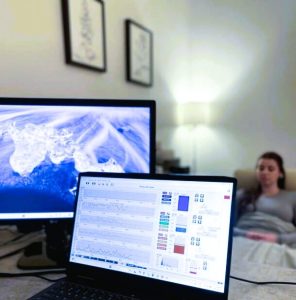
Moving Forward
Living with both ADHD and anxiety can feel isolating and overwhelming. Fortunately, this comorbidity is well recognized, and multiple evidence-based treatment pathways exist. Effective intervention requires understanding how these conditions interact, addressing both rather than only the most prominent one, and building a comprehensive plan tailored to your individual needs.
For more information about ADHD treatment approaches and how integrated neurotherapy and psychological services can help, we invite you to explore our resources or reach out to discuss whether this approach might be right for you. Understanding the relationship between ADHD and coexisting conditions with ADHD is an important step toward finding relief that lasts.
If you are ready to explore how neurofeedback, CBT, or other evidence-based approaches might address your ADHD-anxiety comorbidity, we welcome you to book a consultation. Our team is here to provide the comprehensive, individualized care you deserve.

Frequently Asked Questions
ADHD-related attention difficulties are usually persistent across situations, while anxiety-related problems often worsen when specific worries or stressful triggers arise. A professional assessment can help distinguish them accurately and guide appropriate support.
Yes. Worry can consume mental resources, making it harder to focus, remember information, organize tasks, and get started. When anxiety is high, ADHD-related challenges with attention and executive function often become more noticeable.
CBT, structured routines, executive-function skills training, mindfulness, HRV training, and neurofeedback may help address overlapping symptoms and improve daily regulation. A professional can recommend approaches tailored to your specific needs.
Yes. ADHD and anxiety commonly co-occur, and each condition can intensify the other’s symptoms. This overlap is well-documented in research, and many people experience both at the same time.
It depends on which condition is causing the greatest impairment in your daily life. A clinician may treat anxiety first, address ADHD first, or treat both together with a flexible, individualized plan.