

Living with ADHD as an adult presents unique challenges that can impact daily functioning, relationships, and career success. While medication is often part of treatment, implementing effective strategies can significantly improve quality of life and help manage symptoms. At our clinic, we understand the complexities of adult ADHD and offer comprehensive approaches including neurofeedback and psychological services. This article explores practical, evidence-based strategies to help adults with ADHD thrive in their everyday lives.
Understanding Adult ADHD: More Than Just Distraction
ADHD in adults often manifests differently than in children. Many adults with ADHD weren’t diagnosed in childhood, leading to years of struggling without understanding why certain tasks seem more challenging. The core symptoms typically include inattention, hyperactivity, and impulsivity, though these can present in various ways.

Recent statistics indicate that approximately 2.5% of adults worldwide have ADHD, though many remain undiagnosed. In the United States alone, projections suggest that by 2025, around 8 million adults will be using medication treatments, with about 35% utilizing combination therapies that merge medication with behavioral interventions such as coaching or psychotherapy.
Understanding that ADHD is a neurodevelopmental condition affecting executive functions – including working memory, emotional regulation, organization, and time management – is crucial for developing effective coping strategies.
Creating Environment-Based Strategies
One of the most effective ways to manage adult ADHD is to modify your environment to support your brain’s unique functioning. Small changes can have significant impacts on productivity and stress reduction.
Designing an ADHD-Friendly Workspace
The physical environment significantly impacts focus and productivity for adults with ADHD. Consider these workspace modifications:
Minimize distractions by facing away from high-traffic areas and removing visual clutter from your desk. Noise-canceling headphones or background white noise can help mask distracting sounds. Keep frequently used items visible but organized – out of sight often means out of mind for the ADHD brain.
Lighting matters too – natural light is ideal, but if that’s not available, full-spectrum lighting can reduce eye strain and improve focus. Some adults with ADHD also benefit from standing desks or alternative seating like balance balls that accommodate the need for movement.
Digital Organization Systems
Digital tools can be lifesavers for adults with ADHD. Calendar apps with reminders and alerts help manage appointments and deadlines. Task management applications allow for categorizing and prioritizing responsibilities. Cloud-based storage ensures important documents aren’t lost when physical papers get misplaced.
Consider using apps specifically designed for ADHD management, which often include features like time tracking, habit formation support, and visual progress indicators. Digital assistants (like Alexa or Google Assistant) can set reminders, create shopping lists, and provide timely prompts throughout the day.
Time Management Strategies for the ADHD Brain
Time management difficulties are often central to adult ADHD challenges. Traditional approaches may not work, but ADHD-specific strategies can help significantly.
Understanding Time Blindness
“Time blindness” – difficulty perceiving the passage of time – is common with ADHD. To compensate, make time visible using timers, visual countdown apps, or analog clocks placed strategically around your home and workspace.
Break tasks into smaller time segments using techniques like the Pomodoro Method (25 minutes of work followed by a 5-minute break). This approach works with the ADHD brain’s need for novelty and breaks while providing structure.
Realistic Scheduling
Adults with ADHD often struggle with accurately estimating how long tasks will take. Track your activities for a few weeks to gather data on your actual time usage, then use this information to create more realistic schedules.
Build buffer time between appointments and tasks to account for transitions, which can be particularly challenging with ADHD. Plan only 75% of your available time, leaving the remaining 25% for unexpected events and the inevitable distractions that will occur.
Consider time-blocking – designating specific hours for similar types of tasks. This reduces the cognitive load of context-switching, which can be especially taxing for the ADHD brain.
Building Consistent Routines and Habits
Establishing routines reduces the executive function demands that drain mental energy for adults with ADHD. While creating habits can be challenging initially, they eventually become automatic, requiring less conscious effort.

Morning and Evening Anchors
Create consistent morning and evening routines that serve as “anchors” for your day. Morning routines might include medication, breakfast, exercise, and reviewing the day’s priorities. Evening routines could incorporate preparing for the next day, reflection on accomplishments, and sleep hygiene practices.
Use visual cues like checklists or apps that walk you through each step until the routine becomes second nature. Connect new habits to existing ones – a strategy called “habit stacking” – to increase consistency.
Body-Based Regulation
Regular physical exercise is particularly beneficial for ADHD symptom management as it increases dopamine and norepinephrine – the same neurotransmitters targeted by ADHD medications. Aim for daily movement, even if brief.
Sleep hygiene is crucial as well. Sleep deprivation exacerbates ADHD symptoms and undermines coping strategies. Establish a consistent sleep schedule, limit screen time before bed, and create a comfortable sleeping environment.
Nutrition also impacts symptom management. Regular, balanced meals help maintain stable blood sugar and energy levels. Some adults with ADHD benefit from higher protein intake and limiting refined sugars and artificial additives that may worsen symptoms.
Neurofeedback: Training the ADHD Brain
Neurofeedback represents an innovative approach to ADHD management that directly addresses brain wave patterns associated with attention and focus difficulties.
How Neurofeedback Works for ADHD
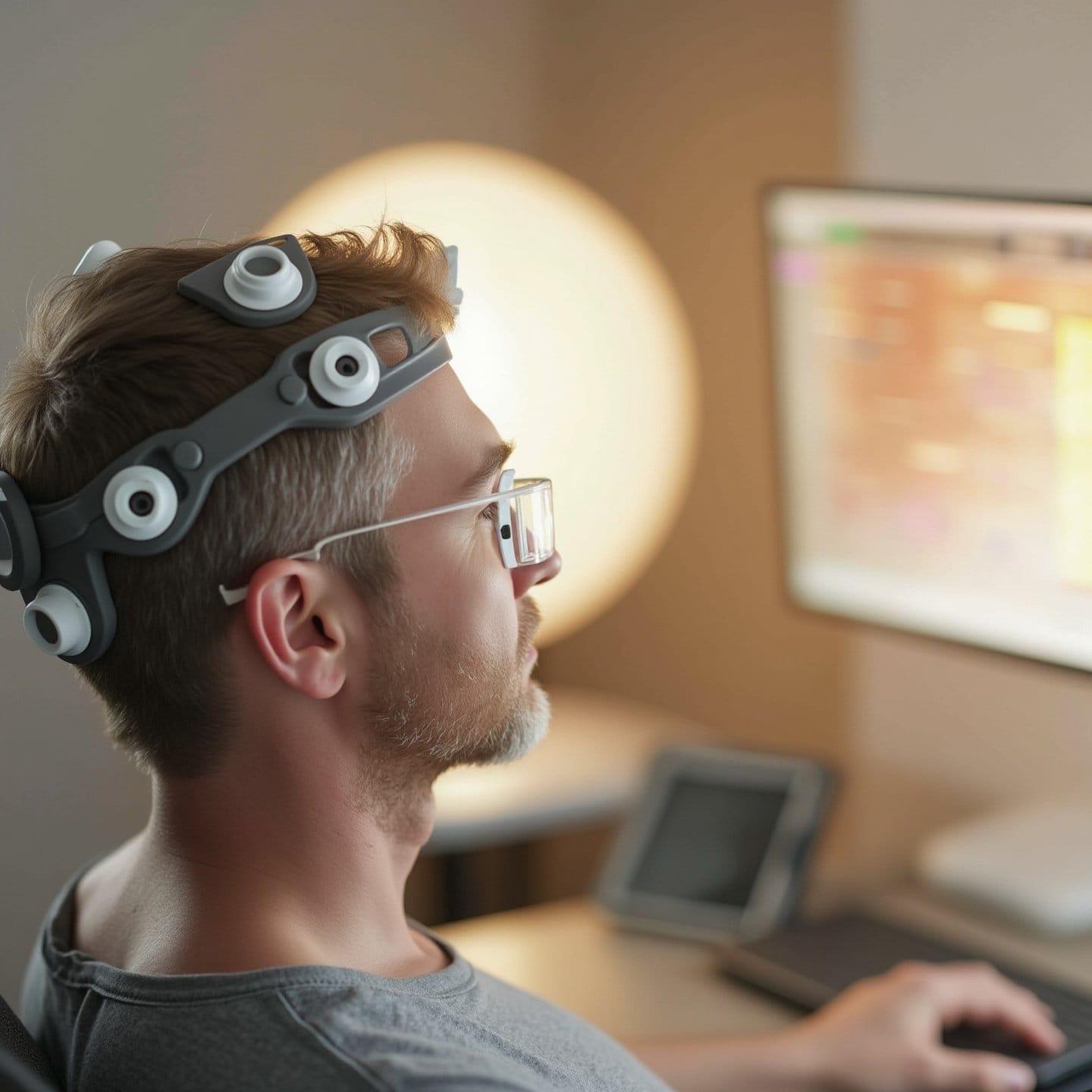
Neurofeedback uses EEG technology to monitor brain wave activity in real-time. Adults with ADHD typically show specific brainwave patterns – often excessive theta waves (associated with daydreaming) and deficient beta activity (linked to focus and attention). During neurofeedback sessions, sensors placed on the scalp detect these patterns, and the patient receives immediate feedback through visual or auditory signals when their brain produces more optimal patterns.
Through repeated sessions, the brain learns to self-regulate, gradually adopting healthier brainwave patterns associated with improved attention and reduced impulsivity. As ADDitude Magazine reports, neurofeedback functions as a form of operant conditioning, where the brain receives positive reinforcement when producing desired brainwave patterns.
Research and Effectiveness
The efficacy of neurofeedback for adult ADHD has been supported by multiple research studies. A meta-analysis published in the Frontiers in Human Neuroscience demonstrated significant symptom reduction across impulsivity, hyperactivity, and attention scores following standardized neurofeedback regimens.
Importantly, longitudinal data reveals that neurofeedback gains often persist for 12 months or longer after treatment completion – a durability advantage over medication, which typically requires continuous use. This makes neurofeedback particularly valuable for adults concerned about long-term medication use or those experiencing unwanted side effects from pharmacological treatments.
At our clinic, we offer comprehensive QEEG-guided neurofeedback protocols tailored to each client’s specific brainwave patterns, optimizing outcomes through personalized treatment approaches.
Cognitive and Behavioral Strategies
Beyond external supports and neurofeedback, internal cognitive strategies can help adults with ADHD manage symptoms and improve functioning.
Cognitive Behavioral Therapy Approaches
Cognitive Behavioral Therapy (CBT) adapted for ADHD helps identify and modify unhelpful thought patterns and behaviors that worsen symptoms or create secondary problems like anxiety and low self-esteem. CBT techniques include:
Cognitive restructuring to challenge negative self-talk and catastrophic thinking common in adults who have struggled with unrecognized ADHD. For example, reframing “I always mess up deadlines” to “I’ve met some deadlines successfully, and I can learn strategies to improve.”
Behavioral experiments that test assumptions about capabilities, gradually building confidence through successful experiences. These might involve trying new organizational systems or time management techniques with a curious rather than judgmental mindset.
Problem-solving training that breaks down overwhelming situations into manageable steps, reducing the paralysis that often accompanies ADHD-related overwhelm.
Working Memory Supports
Working memory deficits are central to ADHD challenges. External working memory supports include note-taking systems, voice memos, and visual reminders like sticky notes or whiteboards. Digital tools like task management apps essentially serve as “external hard drives” for working memory.
Internal working memory strategies include visualization techniques, mnemonic devices, and chunking information into meaningful groups. Regular practice with working memory exercises may also yield improvements over time.
Social and Emotional Regulation
ADHD impacts social interactions and emotional regulation, areas often overlooked in traditional ADHD treatment approaches.
Managing Emotional Intensity
Adults with ADHD often experience emotions more intensely and have difficulty regulating them. Mindfulness practices can help by creating space between emotional triggers and reactions. Regular meditation, even for brief periods, strengthens the neural pathways involved in emotional regulation.
Developing an “emotional vocabulary” helps identify feelings with specificity, making them easier to manage. Physical outlets like exercise, creative expression, or strategic breaks during emotionally charged situations provide healthy channels for emotional energy.
Communication Strategies
Clear communication about ADHD with partners, family members, and trusted colleagues can reduce misunderstandings. Explain how ADHD affects you specifically and what supports would be helpful.
Develop strategies for common social challenges like interrupting others (perhaps using a physical reminder like a small object to fidget with instead) or difficulty tracking conversations in noisy environments (requesting meeting notes or recording important conversations with permission).
Professional Support and Treatment Options
Professional support is often crucial for effective ADHD management in adults.
Multimodal Treatment Approaches
Research increasingly supports multimodal treatment – combining approaches like medication, therapy, coaching, and neurofeedback. This comprehensive strategy addresses both the neurobiological and behavioral aspects of ADHD.
At our clinic, we develop individualized treatment plans that may include psychological assessment to clarify diagnosis and identify any co-occurring conditions, psychotherapy focused on ADHD challenges, and neurofeedback to directly address neurophysiological patterns.
ADHD Coaching
ADHD coaching differs from therapy by focusing primarily on practical skills, accountability, and implementation of strategies. A coach helps develop systems for organization, time management, and goal-setting while providing regular check-ins to track progress.
The coaching relationship provides external accountability – something particularly valuable for adults with ADHD who may struggle with self-monitoring and consistency.
Leveraging ADHD Strengths
While much ADHD discussion focuses on challenges, adults with ADHD often possess valuable strengths that can be harnessed for success.
Recognizing Positive ADHD Traits
Many adults with ADHD demonstrate exceptional creativity and innovative thinking, seeing connections others miss. The ADHD brain’s tendency toward divergent thinking can lead to novel solutions and outside-the-box approaches.
Hyperfocus – the ability to become deeply absorbed in engaging tasks – can be channeled into productive work when aligned with interests and strengths. Many adults with ADHD excel in crisis situations, remaining calm and effective under pressure when others become overwhelmed.
Career Considerations
Finding career paths that align with ADHD strengths often leads to greater satisfaction and success. Consider roles that offer variety, novelty, and active engagement rather than repetitive tasks requiring sustained attention to detail.
Entrepreneurship appeals to many adults with ADHD, allowing for autonomy and the ability to structure work around personal strengths. Fields like emergency services, creative professions, sales, and teaching often provide the stimulation, meaningful engagement, and variety that match well with ADHD traits.
Workplace accommodations like flexible schedules, noise-canceling headphones, or permission to record meetings can significantly improve functioning in traditional work environments.
Maintaining Long-Term Success
Sustaining progress requires ongoing attention to ADHD management strategies and adapting approaches as life circumstances change.
Preventing Burnout and Overwhelm
Adults with ADHD are particularly vulnerable to burnout due to the additional mental energy required for everyday tasks. Regular self-assessment of stress levels and implementation of preemptive breaks can prevent complete exhaustion.
Creating a “maintenance plan” that outlines minimum self-care requirements helps ensure basic needs don’t get neglected during busy periods. This might include non-negotiable sleep hours, exercise sessions, and medication consistency.
Be mindful of the tendency to take on too many commitments when feeling capable, which can lead to later overload. Practice saying “I’ll get back to you” rather than immediately agreeing to new responsibilities.
Regular Strategy Review and Refinement
Schedule quarterly “ADHD strategy reviews” to assess what’s working and what needs adjustment. Different life phases and circumstances may require different approaches.
Maintain connection with supportive professionals like therapists, coaches, or support groups who understand ADHD and can provide objective feedback and accountability.
Document successful strategies in an accessible format so you can return to them during challenging periods when executive function may be particularly strained.
Conclusion
Managing adult ADHD effectively requires a comprehensive approach that addresses both neurobiological factors and daily functioning. By implementing environment-based strategies, developing consistent routines, utilizing treatments like neurofeedback, and applying cognitive-behavioral techniques, adults with ADHD can significantly improve their quality of life and productivity.
Remember that progress isn’t always linear – setbacks are normal and provide valuable information for refining your approach. The goal isn’t perfection but rather developing a personalized toolkit of strategies that works for your unique brain and life circumstances.
At our clinic, we’re committed to supporting adults with ADHD through evidence-based approaches including neurofeedback, psychological services, and strategy development. We understand the challenges you face and recognize the strengths you bring. With the right support and strategies, adults with ADHD can not only manage their symptoms but thrive and succeed in their personal and professional lives.
